Daca in urma vizitei la stomatolog, medicul a recomandat tratamentul de canal pentru un dinte de lapte, s-ar putea sa te intrebi de ce. La urma urmei, un dinte temporar o sa cada oricum si o sa faca loc unui dinte permanent. Pastrarea in gura a unui dinte de lapte pana cand vine vremea ca el sa cada este aproape la fel de importanta ca pastrarea unui dinte definitiv. Pierderea timpurie a unui astfel de dinte poate sa duca la tulburari masticatorii pentru copil dar si mai important, la o aliniere nefavorabila a dintilor definitivi. Acest lucru atrage dupa sine costuri suplimentare si necesitatatea purtarii unui aparat dentar (aparat ortodontic).
Diferenta intre dintii de lapte si dintii definitivi in tratamentul de canal
Toti dintii, permanenti sau de lapte, au 2 invelisuri exterioare (dentina si smaltul), si un spatiu in care se afla pulpa dentara (nervul). Desi ambele tipuri de dinti sunt facute din aceleasi materiale de baza, dintii permanenti pot avea un strat de smalt mai gros si o structura interna mai complexa, spre deosebire de dintii de lapte. Acestia pot fi afectati de carii profunde sau de traumatisme si astfel copilul sa acuze durere.
Pulpa dentara contine nervi si vase de sange, componente care sunt importante pentru formarea dintilor temporari si definitivi. Odata ajunsi la maturitate, pulpa nu mai este necesara si poate fi inlocuita(daca este nevoie) cu materiale sterile de obturatie de canal, folosite in endodontie. Desi este popular raspandit faptul ca tratamentul de canal doare, acest lucru nu este adevarat. Acesta este necesar chiar daca se efectueaza pe dintii de lapte deoarece are ca scop pastrarea dintelui pana la exfolierea naturala, pentru a mentine spatiul necesar alinierii corecte a dintilor permanenti.
Ce simptome poate prezenta copilul?
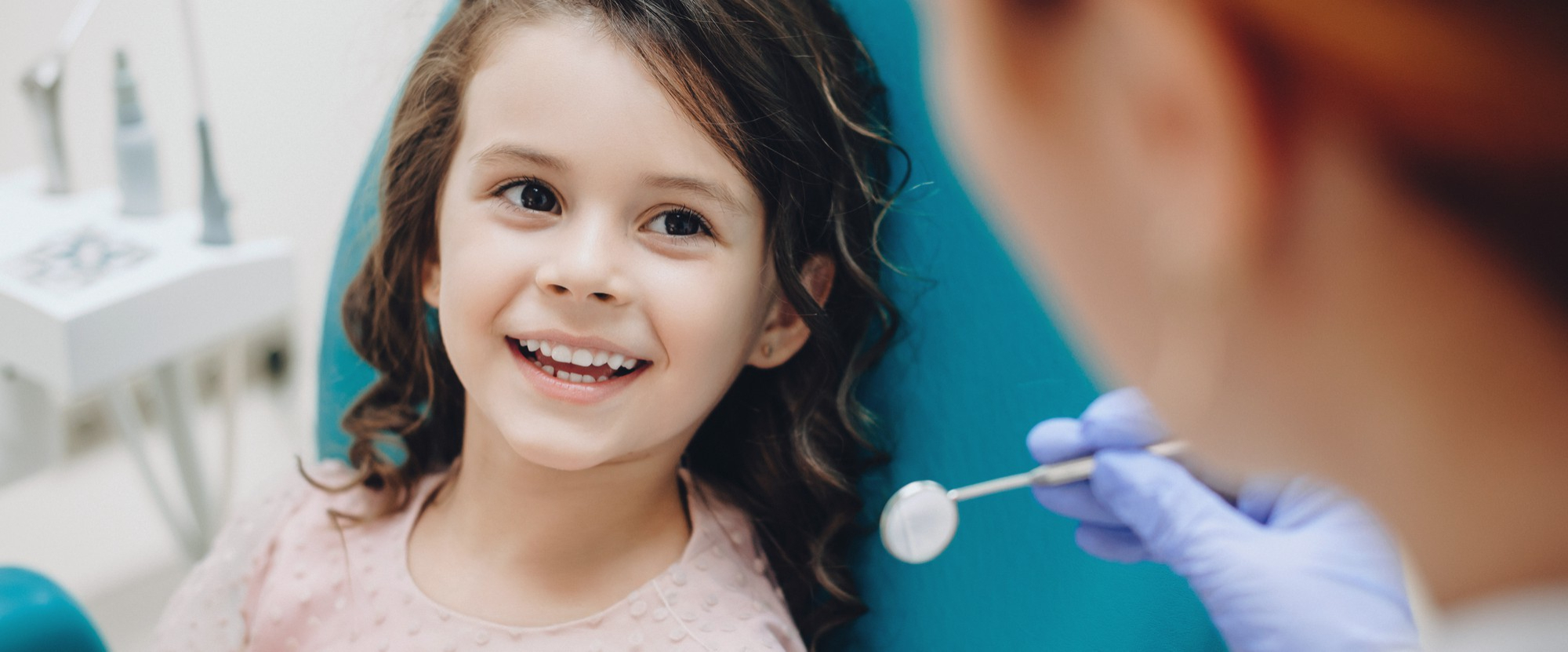
In ceea ce priveste tratamentul de canal pe dintii de lapte, medicul pedodont este cel mai indicat in rezolvarea acestor probleme. Un medic endodont sau generalist pot trata insa experienta in comunicarea cu copii este de partea pedodontului si el poate genera o experienta placuta si relaxanta pentru cei mici.
La prima vizita medicul pedodont va evalua conditia copilului, va examina dintii si va efectua teste care vor determina gradul de afectare cat si dintele care cauzeaza probleme. In general durerea la stimului (rece, cald, dulce) care cedeaza rapid nu are intotdeauna nevoie de tratament endodontic. Pe de alta parte, o durere constanta si de intensitate mare care cedeaza doar la administrarea de analgezice, indica o afectare extinsa a pulpei si necesitatea unui tratament de canal.
Tineti cont de faptul ca desi vorbim de un dinte temporar, la fel ca la adulti, este nevoie de radiografie.
Cum se desfasoara tratamentul de canal?
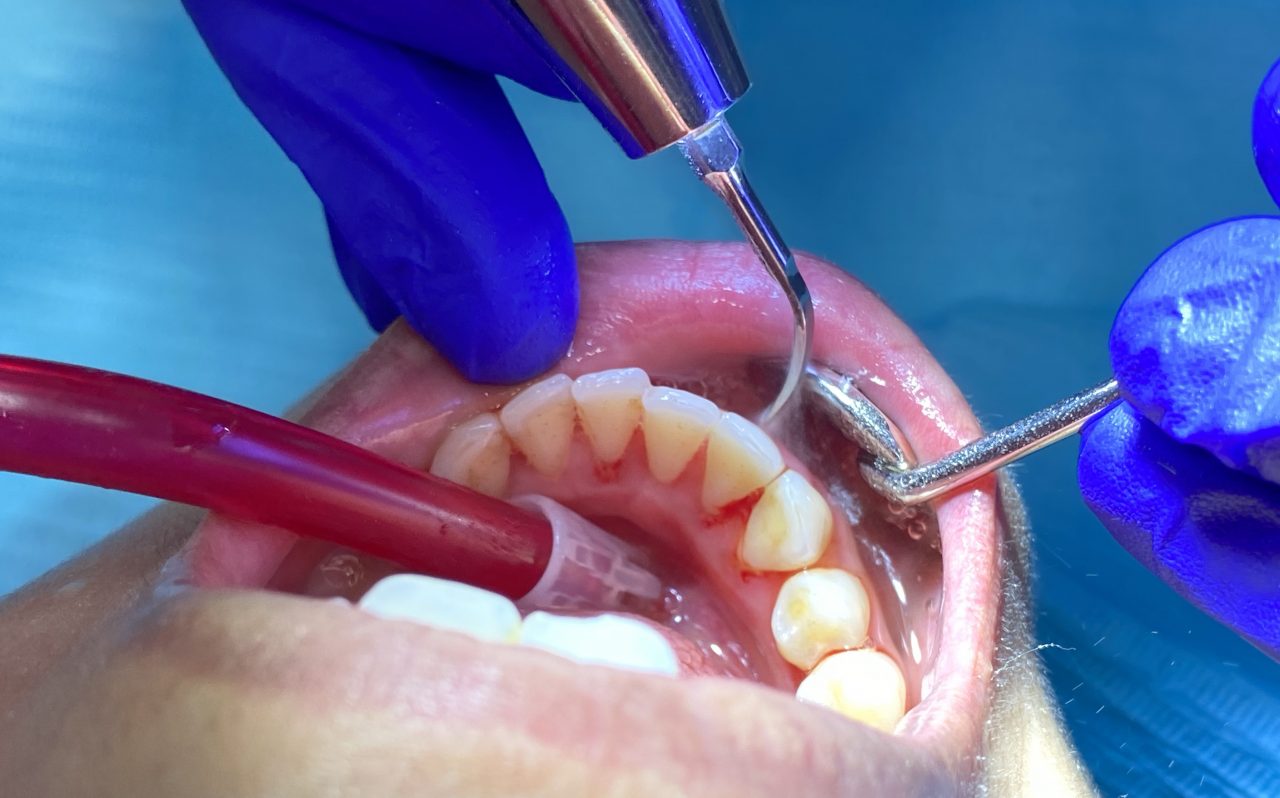
Aceasta interventie se desfasoara in cabinet, sub anestezie, ca pacientul sa stea cat mai relaxat si sa nu simta nimic. Inainte de a se incepe tratamentul de canal, medicul dentist izoleaza dintele cu o diga. Accesul in dinte se face cu freze de mici dimensiuni si odata ajuns in camera pulpara, nervul este inlaturat.
Medicul stomatolog curata bine canalele, dezinfecteaza folosind solutii antiseptice si laserul dentar si la sfarsit sigileaza canalele cu gutaperca si pasta.
In a doua etapa, dintele se plombeaza folosind un material compozit sau un ciment. La dintii de lapte, materialul care sigileaza canalele este biocompatibil dar si resorbabil, ceea ce inseamna ca in functie de caz, interventia e posibil sa fie repetata doar pentru resigila canalele pana cand dintele definitiv este pregatit sa erupa pe arcada.
Cum sa ai grija de dintii de lapte ai copilului tau
Pentru a preveni aparitia cariilor si pentru a evita astfel tratamentul de canal, este important ca:
- Periajul dentar sa se desfasoare zilnic, dimineata si seara. Trebuie folosite periute si paste special indicate pentru dintii de lapte iar periuta trebuie schimbata o data la 3 luni.
- Copilul trebuie sa poarte gutiere de protectie cand practica diferite sporturi pentru a evita eventuale fracturi dentare si accidente nedorite.
- Vizitele la dentist sa fie regulate (o data la 6 luni) pentru a evita tratamente costisitoare si sedinte lungi. Astfel, medicul stomatolog poate modifica tehnica de periaj a copilului pentru a obtine rezultate mai bune si poate identifica si trata carii incipiente din timp. Aceste carii dentare pot fi tratate fara durere si fara anestezie, folosind laserul dentar si confortul copilului si o experienta placuta la dentist sunt asigurate.
Pentru un consult profesionist si o experienta placuta te asteptam in clinica stomatologica Life Dental Spa unde vei intalni medici pedodonti interesati ca cel mic sa plece fericit din cabinet, fara durere si fara frica de stomatolog.