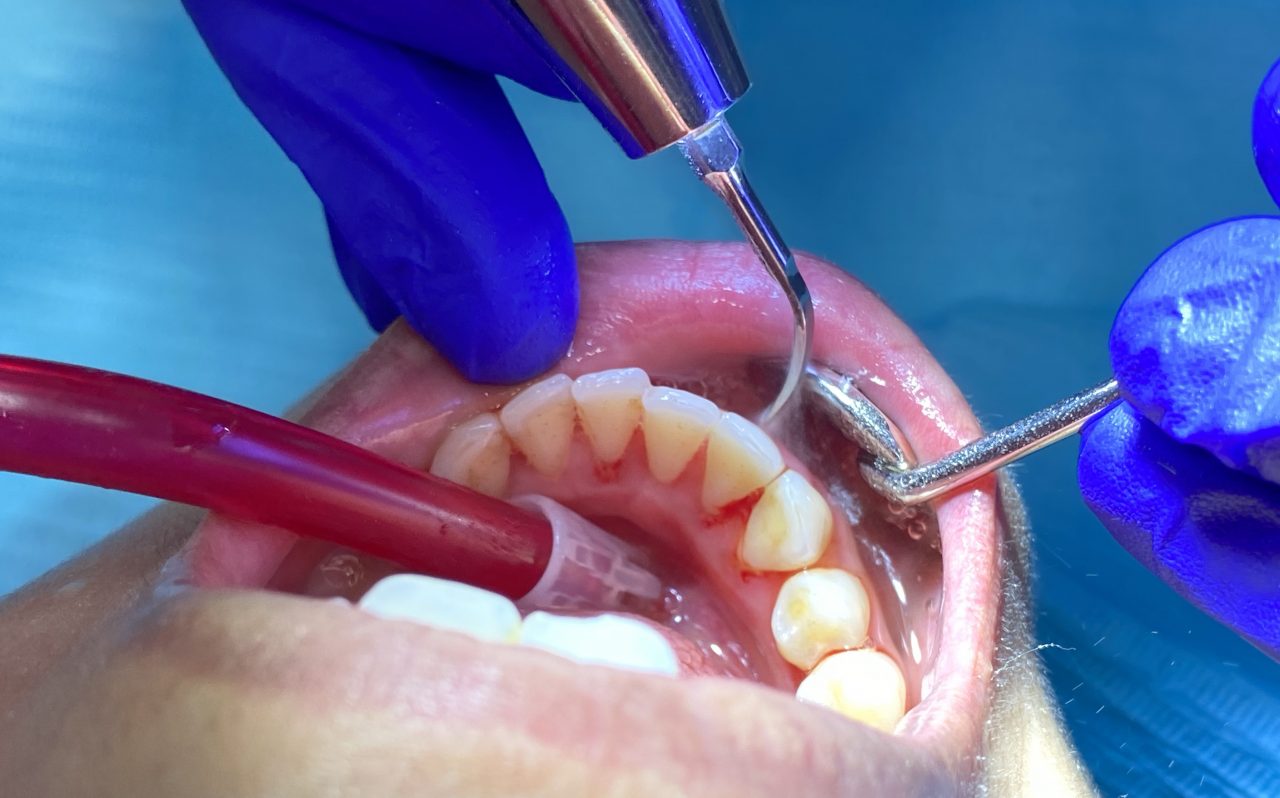
Este foarte important ca si parintii, dar si copiii sa fie informati cu privire la cauzele aparitiei de dureri de dinti. Sunt foarte frecvente cazurile in care parintii vin cu copiii pentru prima data intr-un cabinet stomatologic cu o urgenta, dupa o noapte nedormita, nemancati, foarte agitati si suparati, ceea ce este dificil pentru ei, pentru parinti, dar si pentru medicii stomatologi care urmeaza sa ii trateze.
Cauze pentru dureri de dinti la copii
Caria dentara
In primul rand, durerea de dinti poate fi cauzata de caria dentara. Apare atunci cand caria dentara a avansat atat de mult incat a ajuns la nerv. Din pacate, caria pe dintii temporari avanseaza mai repede decat cea pe dinti permanenti, din cauza faptului ca dintii temporari au o rezistenta mai scazuta. Cariile se complica adesea cu abces dentar care sunt dureroase la atingere.
Un abces dentar este o colectie purulenta care determina:
Ce este foarte important este ca aceasta infectie care este acum localizata, poate migra foarte usor catre ureche, creier si pot pune in pericol viata copilului.
Din cauza lipsei importante de tesut dentar (se formeaza o “gaura” in dinte) apar si durerile gingivale la masticatie, ca urmare a presarii gingiei de catre alimente si imposibilitatea indepartarii resturilor alimentare din cavitate, lucru care va conduce si la avansarea cariei. De aceea, este foarte important sa ne prezentam la medicul stomatolog imediat ce depistam caria dentara, pentru a fi tratata cat mai repede, mai ales ca acum avem ca si metoda de tratament cu laserul dentar, care este minim invaziv si mai ales nu produce durere. El va deveni noul cel mai bun prieten al copilului.
Probleme gingivale
Al doilea motiv pentru care apar dureri de dinti este din cauza problemelor gingivale. Copii nu se spala foarte bine pe dinti si unii nu accepta nici sa fie spalati de catre parinti. In acesta situație, apar problemele gingivale. Gingivitele pot aparea și la copii de varste mici si medii. Colonizarea cu bacteriile raspunzatoare de aparitia bolilor parodontale, dar si a cariei dentare are loc ca urmare a folosirii aceluiasi tacam la masa fara a fi spalat, pupatul copiilor pe gura sau chiar maini (pe care ei le baga non-stop in gura), mestecatul mancarii de catre un adult si apoi servita copilului etc.
Eruptii dentare
In perioada cu eruptii dentare, copii experimenteaza dureri destul de mari la nivel gingival. In timpul eruptiilor dentare copii pot deveni morocanosi, nu mai au pofta de mancare, saliveaza excesiv. Se pot folosi geluri speciale pentru bebelusi care ii ajuta sa treaca mai usor prin aceasta perioada.
Traumatismele dentare
Al patrulea motiv din cauza caruia pot aparea dureri de dinti sunt traumatismele dentare, cu sau fara avulsie dentara. Traumatismele dentare se petrec intr-o fractiune de secunda. Copilul a cazut, coroana dintelui s-a spart sau chiar mai rau, dintele a iesit cu tot cu radacina din os. Tot in timpul accidentelor, copilul se poate lovi la nivelul gingiei sau buzei.
In cel mai bun caz, fractura dintelui nu a afectat decat coroana si atunci avem doua posibilitati de tratament:
- Daca fragmentul dentar se gaseste, el se poate reatasa prin lipire.
- Daca fragmentul nu mai este gasit, partea lipsa se inlocuieste cu ajutorul compozitului dentar.
Exista cazuri in care fractura determina afectarea pulpei si atunci trebuie facut tratament de canal sau alte interventii menite sa protejeze vitalitatea dintelui. Sau cazuri in care are loc avulsia dentara, adica extractia accidentala a dintelui. Ca si in cazul fragmentului dentar, este foarte important sa gasim dintele si sa îl pastram corespunzator: in ser fiziologic, in saliva sau in lapte, dar NU IN APA!
Este foarte important sa ne prezentam in maxim 60 minute la un medic stomatolog pentru a face replantarea astfel incat sa avem sanse mari de vindecare. Daca avem suspiciuni de necroza pulpara atunci si in acest caz se va face tratament de canal.
Indiferent din ce cauze are copilul tau dureri de dinti, este extrem de important sa te prezinti de urgenta cu el la medicul stomatolog. De preferat ar fi sa nu fie pentru prima data, copilul sa fie familiarizat cu mediul din cabinetul stomatologic, iar medicul stomatolog sa fie prietenul copilului in care el sa aiba incredere.
De asemenea, daca avem posibilitatea sa ii facem copilului o radiografie dentara inainte de ora programarii, pentru a avea o imagine cat mai fidela a situatiei. Va asigur ca, cantitatea de radiatii este foarte mica, iar o radiografie, impreuna cu examenul clinic ajuta la punerea unui diagnostic corect si conduce la un tratament corect!