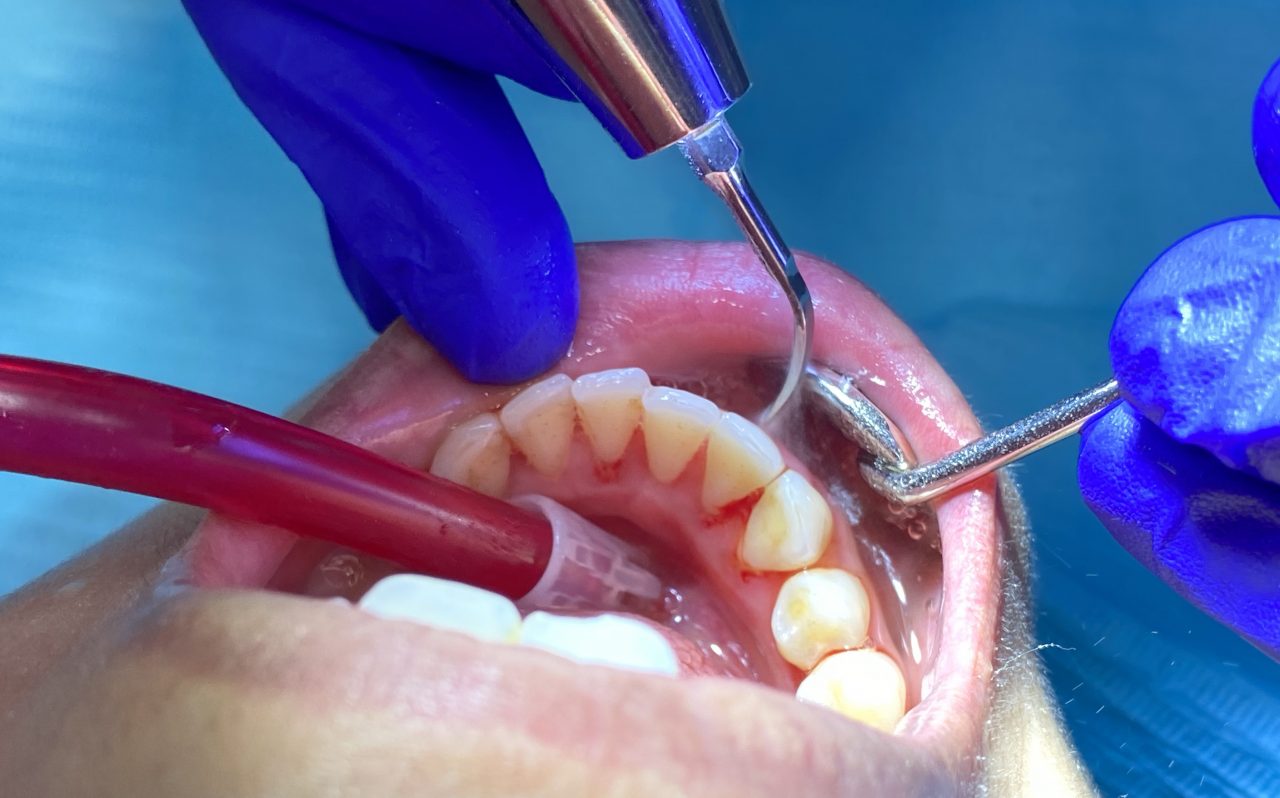
Sensibilitatea dentara (hiperestezia dentinara) este definita ca fiind o durere intensa, ascutita, de scurta durata, ca urmare a actiunii unor stimuli termici, tactili, osmotici sau chimici si care nu poate fi asociata cu alt fel de afectiune dentara. Aceasta este unul dintre cele mai frecvente motive pentru care pacientii ajung sa se adreseze medicului dentist in clinicile stomatologice.
Aceasta se manifesta prin dinti sensibili la stimuli de mediu care nu sunt nocivi, in general. Atingerea usoara, alimente fierbinti sau reci, unele substante acide sau bauturi pot induce o durere dentara intensa si scurta care poate ajunge sa afecteze activitatile zilnice ale pacientului, in ceea ce priveste alimentatia, consumul de bauturi, vorbitul sau periajul dentar.
Sensibilitatea dentara este mai intalnita la sexul feminin comparativ cu cel masculin, poate aparea la toate categoriile de varsta, dar este mai frecventa in intervalul de varsta 20-50 ani, avand o prevalenta cuprinsa intre 4% si 74%. Este mai frecvent localizata la nivelul caninilor si la nivelul premolarilor atat la arcada maxilara cat si la arcada mandibulara, in special suprafata vestibulara a dintelui (suprafata dinspre buza) la nivelul coletului dentar (limita dintre coroana si radacina dintelui).
Dintele contine la interior pulpa dentara (nervul), care este inconjurata de un tesut dur denumit dentina. Aceasta, la randul ei, este invelita la nivel coronar de smalt, iar la nivelul radacinii de cement.
Dentina este un material dur, dar esential pentru dinte, avand multe canalicule. Aceste canalicule fac legatura intre interiorul si suprafata dintelui si contin extensii ale nervului dentar. Cand aceste canalicule sunt stimulate, fluidul din ele se misca, activand nervii si cauzand durere. Practic, sensibilitatea dentara este cauzata de expunerea dentinei, prin pierderea tesuturilor dentare care o invelesc, si contactul acesteia cu mediul bucal.
De asemenea o alta cauza este reprezentata de retractia gingivala care apare ori ca urmare a unui periaj foarte agresiv sau folosirea incorecta a atei dentare, ori secundar bolii parodontale, dupa chiuretajul subgingival sau in urma tratamentului parodontal chirurgical.
Foarte importanta este preventia acestei afectiuni, iar acest lucru presupune o tehnica corecta de periaj, igiena orala optima, evitarea consumului de alimente si bauturi acide, tratarea afectiunilor ce presupun regurgitarea acida.
Intotdeauna medicul stomatolog trebuie sa realizeze diagnosticul diferential cu alte afectiuni dentare ce prezinta simptomatologie dureroasa asemanatoare, in aceasta categorie intrand caria dentara, pulpita reversibila, fractura dentara sau sensibilitatea dentara aparuta in urma albirii dentare.
Sensibilitatea dentara este identificata prin folosirea unui jet de aer sau prin palparea suprafetei dentare cu o sonda exploratoare in zona unde pacientul acuza prezenta durerii.
Printre metodele de tratament pentru sensibilitate dentara se numara:
Studiile arata ca desi nu exista un tratament specific care sa fie universal valabil pentru toate cazurile, cea mai eficienta metoda este combinarea agentilor desensibilizanti cu efectul laserului dentar.
Mai Multe
articole
Ne poți suna in timpul programului (Luni-Vineri: 8:00-21:00 | Sâmbătă: 8:00-16:00) sau poți face o programare online.
2026 Toate drepturile rezervate - Life Dental Spa


Nu lăsa o durere de dinți neașteptată să îți strice concediul! Pune pe lista de bagaje și o vizită rapidă la Life Dental Spa.
Echipa noastră de medici folosește tehnologia laser pentru a rezolva orice problemă rapid, confortabil și fără stres.