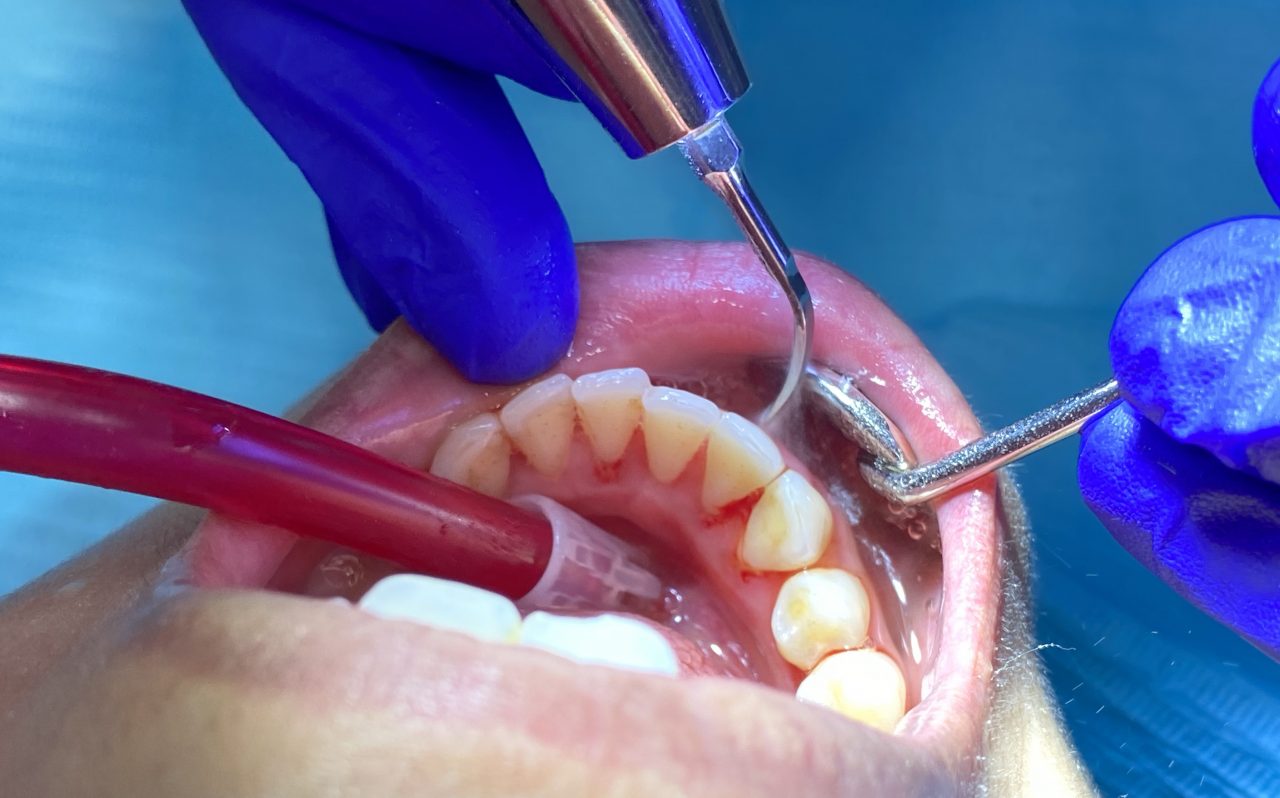
Problemele dentare la copiii de sub 8 ani apar foarte des in cabinetul stomatologic. Pentru ca de multe ori parintii considera ca dintii de lapte nu au niciun rol important in sanatatea orala a copilului ca viitor adult, multe probleme dentare sunt trecute cu vederea. Dintii de lapte nesanatosi afecteaza pe termen lung sanatatea dintilor definitivi asa ca ingrijirea si curatarea lor este obligatorie. In plus, afectarea dintilor de lapte poate duce la o stare generala de disconfort si poate ingreuna masticatia, facand dintii si gingiile dureroase la atingere.
Dintii de lapte
Dintii de lapte reprezinta prima dentitie a copilului, primul dinte de lapte aparand de obicei in jurul varstei de 6 luni. Este important ca in perioada eruptiei dintilor temporari, parintii sa se ii aduca pe copii la controale periodice astfel incat sa se evite cele mai comune afectiuni dentare si sa se asigure ca cei mici au un zambet frumos si sanatos.
Cele mai comune probleme dentare la copii includ afectiuni ale gingiilor, carii, abcese, pierderea precoce a dintilor, demineralizari sau dintii strambi.
Cariile dentare
Una dintre cele mai comune probleme dentare. Cariile se pot grefa pe dintii de lapte atunci cand gura copilului este infectata cu bacterii ce au o afectiune acida asupra dintior. Copilul ajunge sa aiba dintii cariati din cauza consumului frecvent de zahar, in special alimente lipicioase cum ar fi caramele, biscuiti, ciocolata, care raman mult timp atasate de dinti si care reprezinta o sursa continua de hrana pentru bacterii. De asemenea, bauturile acidulate, ceaiul sau laptele indulcit sau consumul unui volum mare de carbohidrati contribuie la aparitia cariilor timpurii. Mai mult, in cazul in care copilul nu se periaza corect de doua ori pe zi, probleme dentare vor aparea mult mai rapid. Pentru a evita un contact prelungit al alimentelor daunatoare cu suprafata dentara, este indicat ca in alimentatia copilului sa nu existe zahar, bauturi indulcite cu zahar sau miere, gustari inainte de culcare dupa ce a fost efectuata igienizarea dintior. Structura dintilor de lapte este una mai putin dura, motiv pentru care caria avnseaza mai rapid, micul pacient putand ajunge in scurt timp la pierderea dintelui.
Abcesul dentar
Abcesul dentar reprezinta o zona cu puroi ca reactie a corpului nostru in lupta cu infectia. Abcesul dentar se poate forma in jurul unei radacini sau la nivelul gingiei unde formeaza un buzunar cu puroi. Semnele vizibile includ umflarea sau inrosirea fetei, gingii straucitoare si umflate, o umflatura asemanatoare unui cos la nivel gingiei, respiratei urat mirositoare, febra sau dureri spontane ale dintilor. Puroiul din abces se poate extinde la maxilar, gat sau urechi. Daca observi probleme dentare care implica aparitia unui abces la nivelul gingiilor copilului tau, este indicat sa te prezinti la medicul dentist.
Gingivita la copii
Gingivita la copii face parte din sfera de probleme dentare care apare ca urmare a unei igiene necorespunzatoare. Atunci cand placa bacteriana nu este indepartata la timp, se poate transforma in tartru si poate irita gingiile copilului. Aceasta va duce la sangerari gingivale, miros neplacut si, in final, la pierderea dintilor. Cu cat dingnosticul este pus mai din timp, cu atat tratamentul este inceput mai devreme si gingivita este tratata cu succes. Pentru a preveni instalarea acestei afectiuni, este necesara o igiena corecta cu periaj efectuat in fiecare dimineata si seara si utilizarea zilnica a atei dentare. Pana cand dobandeste dexteritatea necesara efectuarii unei igiene orale corecte, copilul trebuie ajutat sa isi realizeze rutina zilnica.
Dintii strambi
Dintii strambi pot avea ca si cauza utilizarea suzetei sau sugerea degetului. In cazul in care copilul nu renunta la aceste obiceiuri pana la o varsta mai inaintata, pot aparea probleme dentare precum deplasarea incorecta a dintilor sau strambarea acestora. Consecintele acestor modificari pot sa fie estetice sau, in cazuri mai grave, copilul poate sa aiba probleme in vorbirea sau dificultate in masticatie din cauza danturii.
In cazul in care copilul tau sufera de una dintre afectiunile de mai sus sau vrei sa afli mai multe informatii despre cum sa le previi, nu ezita sa il programezi intr-una dintre clinicile noastre din tara.