Pasta de dinti fara fluor: argumente pro si contra
Despre pasta de dinti cu fluor am auzit tot felul de zvonuri. Fie ca este buna si protejeaza impotriva aparitiei cariilor, fie ca fluorul este daunator, afectand IQ-ul si dezvoltarea cerebrala. In fapt, exista numeroase studii efectuate de-a lungul anilor, realizate in scop de promovare sau din contra. Pe de o parte, sunt studii care spun ca o cantitate mica de fluor (intre 1350 si 1500 ppm) existenta in pastele de dinti va proteja dintii de aparitia proceselor carioase. Aceasta cantitate este adresata adultilor. Pentru copii este indicat sa folosim pasta de dinti fara fluor, cat mai naturala, fara agenti de spumare, fara arome artificiale.
Acest lucru este indicat, in special, datorita faptului ca un copil nu stie sa elimine eficient pasta de dinti din gura si o cantitate destul de mare, zilnic, pe perioada lunga de timp este inghitita. Corpul lor nu stie sa managerieze aceste cantitati de produse nesanatoase si se pare ca pot afecta sistemul digestiv al copilului.
Alta categorie de studii spune ca fluorul, administrat zilnic, in cantitate mare sau medie, pe termen lung afecteaza dezvoltarea cerebrala si IQ-ul.
Ar fi bine de precizat, ca sfatul meu pentru adulti si copii este… sa se spele pe dinti. Prevenirea aparitiei proceselor carioase si ale bolilor parodontale o constituie o igiena orala corecta si completa. Acest lucru inseamna ca inca de la aparitia primilor dinti, se va realiza periajul dentar dimineata si seara cu pasta de dinti si periuta corespunzatoare varstei copilului. Aceasta igienizare va constitui o rutina pentru copil care va deveni o normalitate dupa cativa ani.
Initial, exista posibilitatea sa nu ii placa aceasta igienizare. Dar realizata constant, sub forma de joaca, dandu-i copilului sa se spele pe dinti si apoi parintele spaland dintii, va duce ca in putin timp sa vina copilul la parinte si sa ii ceara sa sa il spele pe dinti.
Pe masura ce copilul creste si se apropie varsta pentru aparitia maselei de 6 ani, spatiile dintre dinti devin mai mici si este nevoie de o masura suplimentara de a spala spatiile interdentare, in special in zona posterioara, intre ultimele doua masele. Este o manopera usoara si rapida care poate fi explicata copilului astfel incat sa si-o insuseasca. O data cu aparitia molarului de 6 ani care apare in spatele dintilor de lapte, este indicat a se sigila suprafata acestuia. Sigilarea se realizeaza pentru a acoperi santurile de pe suprafata cu care mesteca mancarea si a le face mai usor de igienizat si pentru a preveni aparitia cariilor.
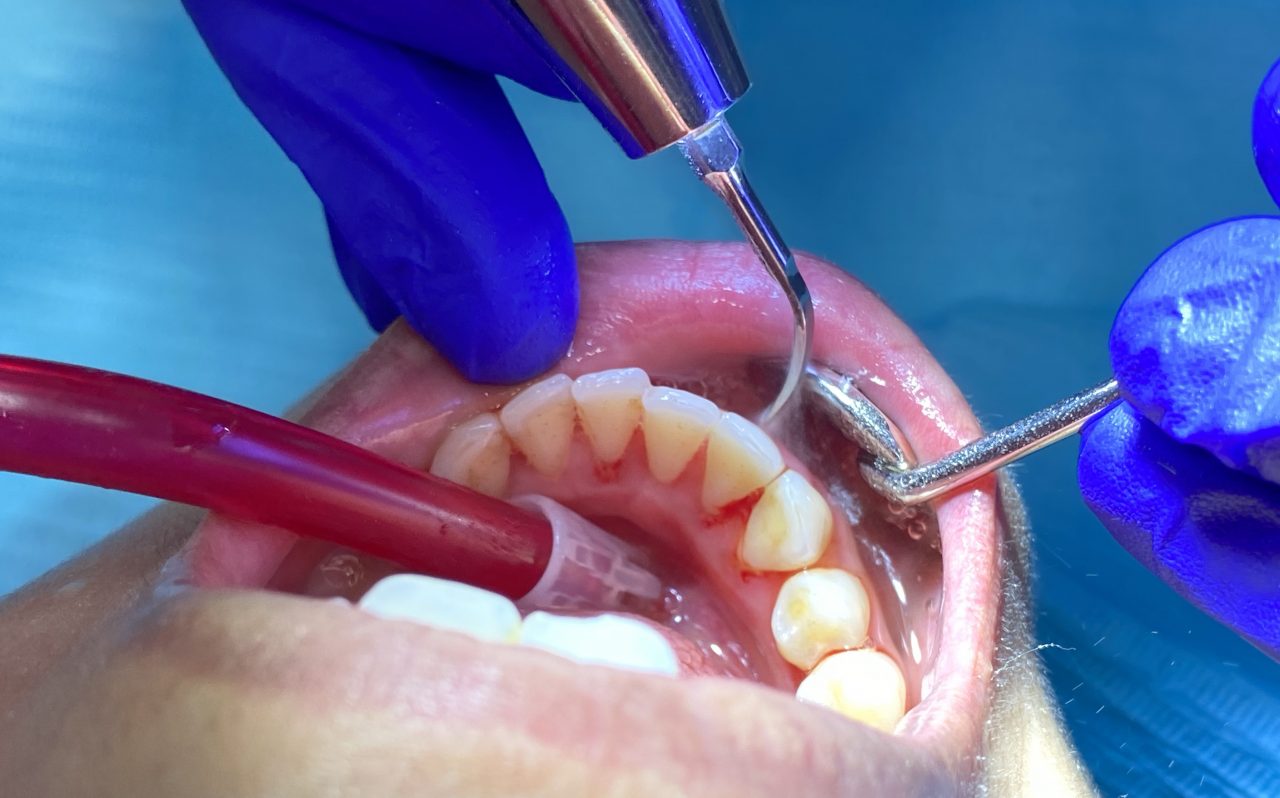
Controalele la copii se fac odata la 3 luni pentru a observa orice modificare apare si a o trata cat mai curand posibil. La aceste controale se poate realiza un periaj profesional pentru a indeparta placa bacteriana si pentru intarirea relatiei medic-pacient. Pe masura ce copilul creste, controalele se pot efectua la 6 luni. Un adolescent se va spala in continuare cu pasta de dinti de 2 ori pe zi, dimineata si seara si va utiliza dusul bucal care curata spatiile interdentare, locul frecvent de aparitie a cariilor. O data la 6 luni adolescentul va merge la stomatolog pentru control si igienizare. Aceasta contine detartrajul, periajul si air-flow-ul.
Prevenirea bolilor stomatologice se realizeaza cu o igiena orala corespunzatoare, care nu este consumatoare mare de timp, o sesiune de igienizare dureaza 3-5 minute si igienizari realizate la 6 luni. Cu cat igiena acasa si la stomatolog este mai prost realizata sau mai rar, cu atat costul tratamentelor va fi mai mare, cost care tine si de bani, dar in special de tesuturi dentare.
Intotdeauna este de preferat sa avem dintii sanatosi decat cu tot felul de probleme tratate care nu fac decat sa apropie momenul sfarsitului dintelui. Asa ca intr-o populatie in care preventia si in special cea dentara este pe ultimul loc in ordinea prioritatilor, inca explic pacientilor adulti ca este necesar sa se spele pe dinti, cu orice fel de periuta ar face-o si ideal cu pasta de dinti cat mai naturala.