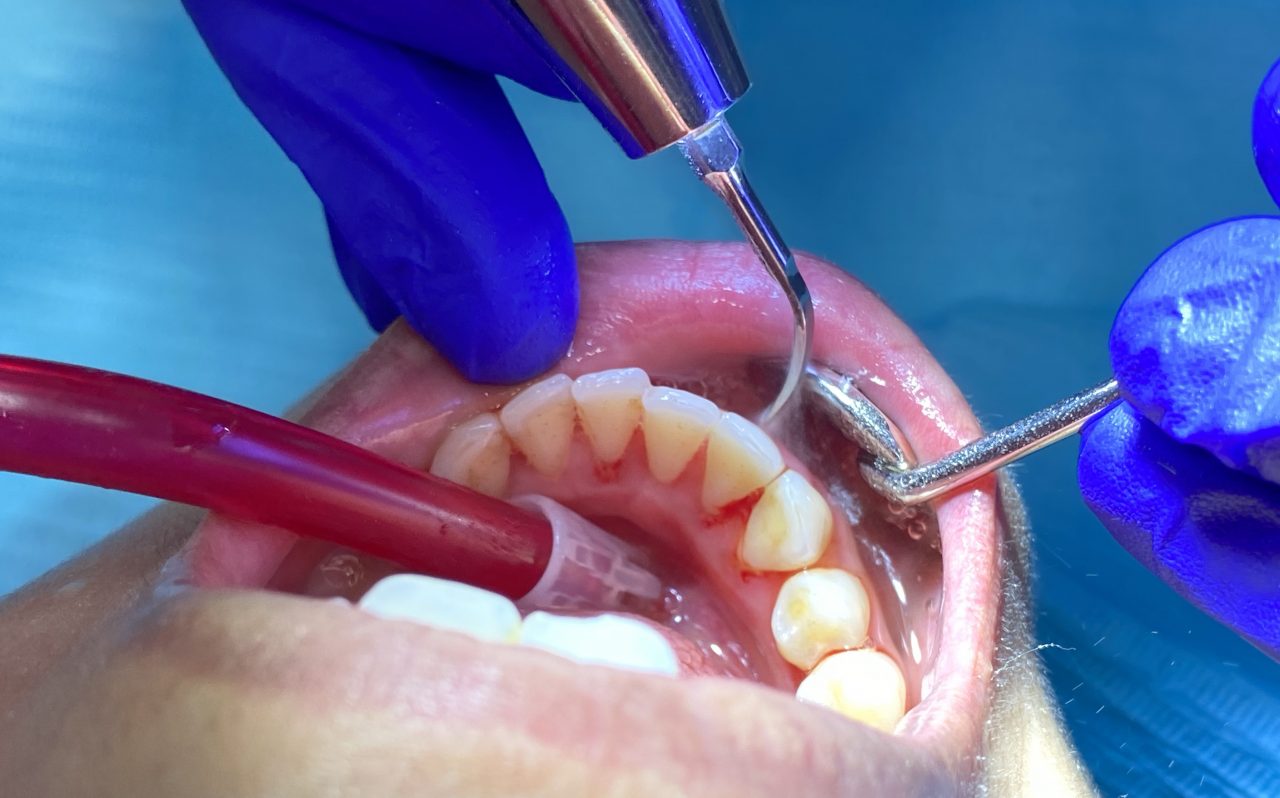
Este important să ne îngrijim dinţii şi gingiile în fiecare zi. S-a dovedit clinic faptul că doar periajul dentar corect, efectuat de 2 ori pe zi, nu este suficient pentru o igienizare eficientă a dinților, dar mai ales a spațiilor interdentare și a șanțului gingival. După un periaj dentar complet, efectuat cu o periuta de dinti manuala sau periuta de dinti electrica, există spații în care rămân resturi de mâncare și placă bacteriană neîndepărtată. Folosirea aţei dentare în completarea periajului este potrivită, dar dacă vrei într-adevăr ca igiena orala să fie şi mai riguroasă, ar trebui să iei în considerare dusul bucal.
Un irigator bucal este ideal pentru persoanele cu implanturi dentare, coroane, punți sau aparate ortodontice, pentru persoanele cu afecțiuni parodontale, dar și pentru oricine își dorește o dantură sănătoasă și un zâmbet atractiv.
Cum se foloseste un irigator bucal?
Pentru o curățare eficientă și sigură, trebuie să urmezi câteva reguli de bază:
- Folosește dușul bucal după periajul de bază
- Capul irigatorului trebuie sa fie poziționat astfel încât să permită curgerea liberă a lichidului în gură
- Folosește numai apă dezinfectată sau soluții speciale pentru dușurile bucale. Apa obișnuită de la robinet este rareori de bună calitate și poate deteriora dispozitivul.
- Nu folosi dusul bucal dacă suferi de parodontoza acută
- Nu folosi un irigator bucal în prima zi după plasarea implanturilor dentare sau a lucrărilor protetice
- Pacienții cu boli cardiovasculare cronice trebuie să consulte un medic înainte de a utiliza dusul bucal.
Cum alegem un dus bucal?
În funcție de nevoi, un irigator bucal pot fi de două feluri: portabil și staționar. Ambele tipuri au propriile avantaje și dezavantaje.
Irigatorul portabil este util în special pentru călătorii și, dacă este necesar, îl poți folosi și la serviciu. Dar în același timp, rezervorul, puterea și durata de funcționare sunt mai mici decât în cazul unui dus bucal staționar.
La rândul său, dusul bucal staționar asigură o putere maximă atunci când este utilizat, și are un rezervor de apă mult mai mare. Însă este mai scump în comparație cu dușul bucal portabil.
Dusul bucal poate conține unul sau mai multe tipuri de capete în kitul de bază, care pot fi achiziționate și separat:
- Vârful standard este potrivit pentru curățarea dinților și gingiilor sănătoase.
- Vârful ortodontic este folosit pentru curățarea aparatelor ortodontice.
- În cazul bolilor parodontale se folosește un vârf subțire din cauciuc moale care direcționeaza fluxul de apă dincolo de marginea gingivală, în punga parodontală. Nu trebuie utilizat la putere maximă.
- Capătul pentru îndepărtarea plăcii bacteriene din zona implanturilor, coroanelor și punților dentare are în vârf 3 smocuri de peri.
- Vârful pentru curățarea limbii are o perie care îndepărtează placa de pe limbă și obraji, eliminând astfel și cauza pentru respiratia urat mirositoare.
Îngrijirea exemplară a dintilor si gingiilor depinde nu doar de menținerea rutinei de curățare, ci și de alegerea dispozitivelor și a produselor potrivite. Dacă numărul minim optim de periaje zilnice este de două, iar efectuarea lor este corectă, tipul periuței de dinți va dicta durata procesului de curățare. Spălatul dinților cu o periuta de dinti manuala are nevoie de minimum 3-4 minute, în timp ce periuta de dinti electrica poate sa înjumătățească acest interval. Folosirea periutelor cu suprafețe speciale pentru limba, precum și dusul bucal sporesc efectul de combatere a bacteriilor.
Si ata dentara ajută nu doar la îndepărtarea resturilor alimentare, ci și la reducerea plăcii bacteriene. Insa, spre deosebire de periuța de dinți, ața dentară poate fi folosită numai o data pe zi, din cauza riscului de apariție a inflamatiilor gingivale. Folosirea apei de gura sporește gradul de curățare a cavității bucale și păstrează respirația proaspătă pe o perioadă de timp.