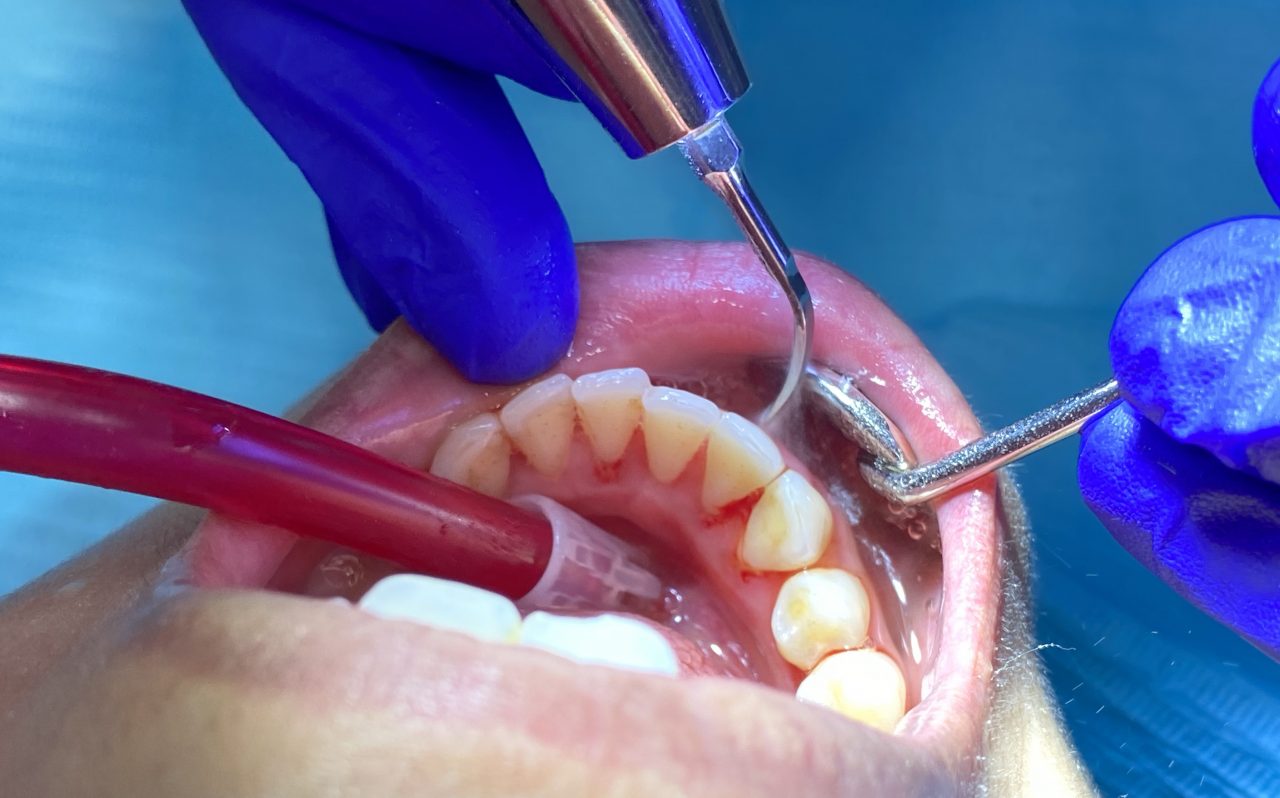
In 1960, Theodore Maiman a dezvoltat primul dispozitiv laser functional, care a emis un fascicul de culoare rosu intens folosind un cristal de rubin. In urmatorii cativa ani, cercetatorii au studiat posibile aplicatii ale acestei energii laser vizibile. In zilele noastre, laserul dentar se foloseste si in chirurgie dentara, putand fi folosit in multiple interventii si aducand dupa sine numeroase beneficii.
Efecte ale laserului in medicina
- Efect optic, adica spectroscopie de fluorescenta pentru screeningul cancerului, tomografie cu coerenta optica (OCT) pentru imagistica cu rezolutie ridicata.
- Efect fotomecanic (fotoacustic), adica pentru litotritia cu laser, indepartarea tatuajelor si anumite leziuni pigmentate.
- Efect fotochimic, adica terapia fotodinamica (PDT), stimularea reactiei chimice.
- Efect fototermic, tratamentul leziunilor vasculare, epilarea cu laser.
- Fotobiostimulativ si efect fotobiomodulativ, adica terapie cu laser de nivel scazut (LLLT), acupunctura cu laser, remodelare a colagenului pentru varstnici piele, tratamente antiinflamatorii, terapie cu lumina albastra pentru tratamente cu acnee, vindecare accelerata a ranilor.
Efecte ale laserului in chirurgie dentara
In stomatologie, laserul isi gaseste de asemenea multiple utilizari. Majoritatea dintre acestea se aplica in chirurgie dentara si orala. Printre ele se numara:
- Tratamentul complicatiilor in urma extractiei celui de-al treilea molar mandibular (molarul de minte)
Terapia cu laser aplicat pe rana dupa indepartarea chirurgicala a molarului trei inferior afectat are efectele analgezice si antiinflamatorii. Utilizarea laserului dupa extractie scade durerea postoperatorie, edemul (umflarea) si trismusul.
- Chirurgia endodontica
Datorita multiplelor efecte benefice asupra tesuturilor, dar si capacitatii sporite de indepartare a tesuturilor, s-a demonstrat ca laserul este cea mai buna varianta pentru chirurgie dentara endodontica. Rezultatele spun ca utilizarea laserului in aceasta manopera ofera cele mai bune rezultate clinice si terapeutice.
- Frenectomia
Frenurile reprezinta pliuri de tesut fibros care pornesc de la nivelul buzelor si obrajilor si sunt inserate la nivelul procesului alveolar (aproape de dinti). Cel mai evident fren este acela al buzei superioare, inserat sagital, de cele mai multe ori determinand existenta unei diasteme (strungareata). Indepartarea acestora cu laserul este o manopera usor de suportat pentru pacient, cu o vindecare rapida si predictibila si aproape fara de sangerare.
- Ankiloglosia
Inserarea anterioara a limbii. Este o afectiune determinata in general precoce la copii. Aceasta provoaca dificultati de pronuntie a cuvintelor, si intra in sfera de chirurgie dentara deoarece se recomanda incizia sau indepartarea cu laser a frenului lingual. Asemenea celorlalte frenectomii, vindecarea este rapida si fara durere.
Tehnologia cu laser – Concluzie
Tehnologia cu laser este utilizata pe scara larga in chirurgie dentara si orala in diagnosticare si tratament. O utilizare obisnuita a laserelor in chirurgie dentara este utilizarea dispozitivului in esenta ca un bisturiu usor, folosind laserul pentru a face taieturi controlate, subtiri, la fel cum s-ar face cu o lama de bisturiu.
Aceasta tehnica permite chirurgului sa efectueze aproape orice procedura intraorala care in mod normal s-ar face cu un bisturiu, cum ar fi biopsia incizionala sau excizionala, indepartarea leziunii sau incizie pentru acces de tip lambou.
In cursul vindecarii postoperatorie imediata, pacientul trebuie sa se astepte la eritem, edem si secretie seroasa. Prin urmare, este de competenta chirurgului sa inteleaga fizica chirurgiei cu laser pentru a se asigura ca aceste riscuri sunt minimizate.