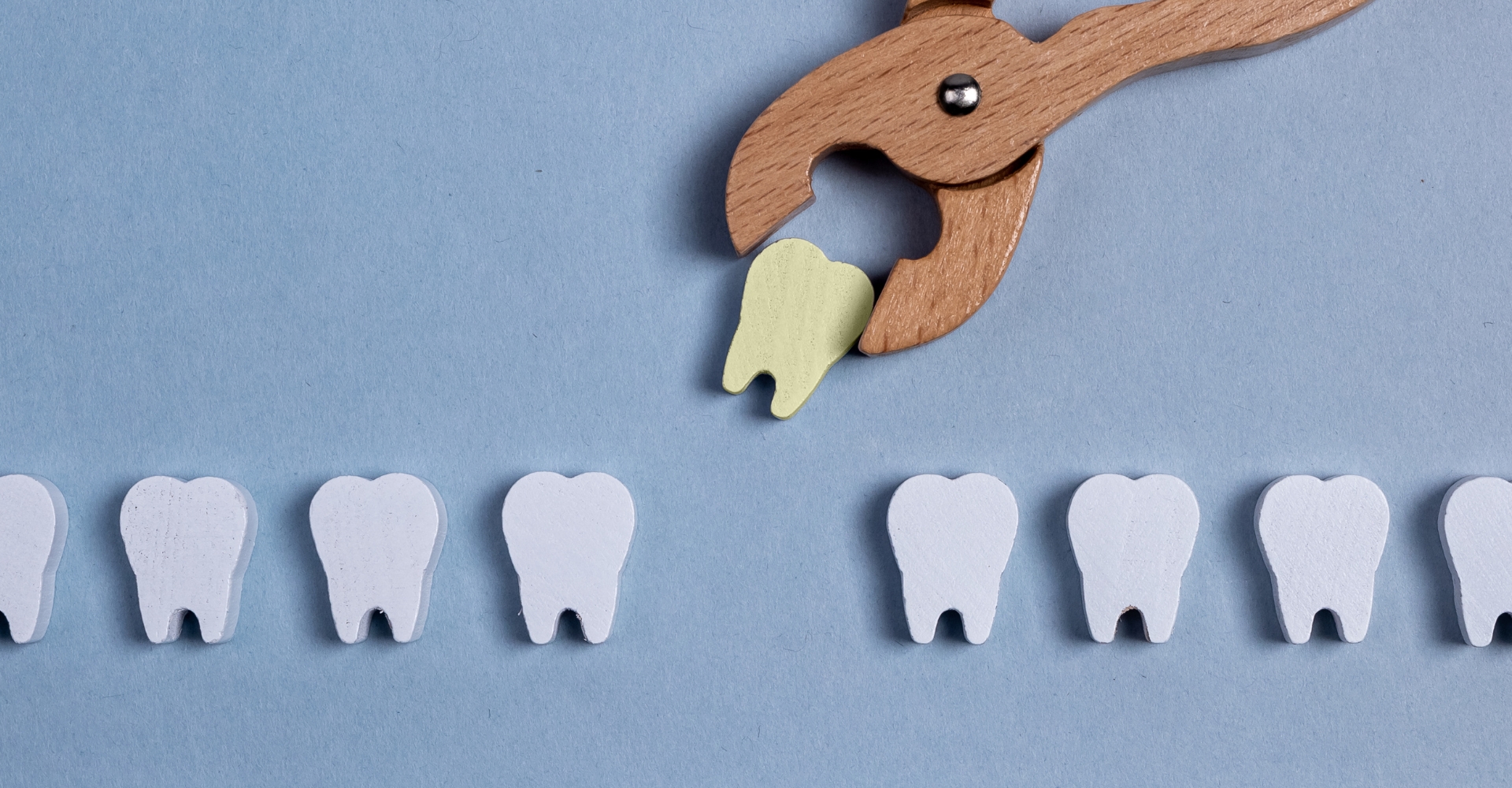
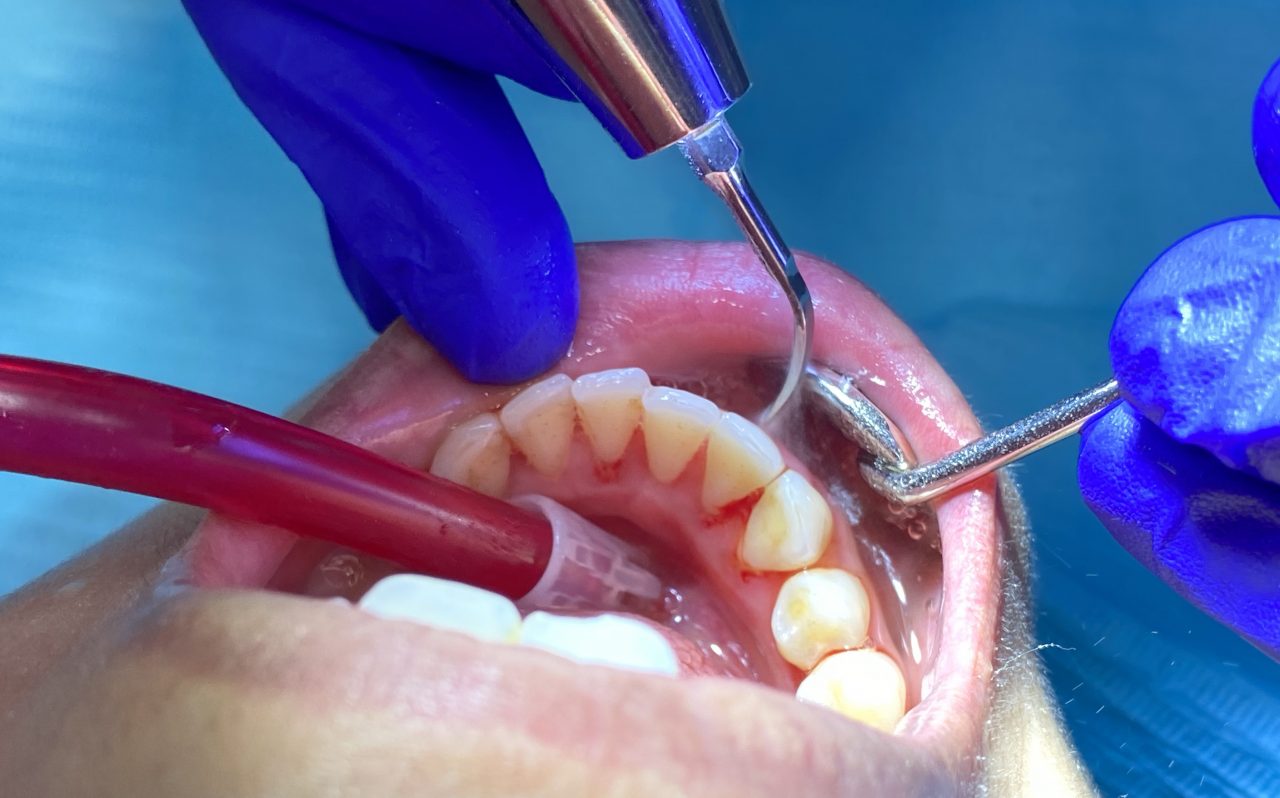
Extractia dentara poate fi indicata din mai multe motive:
- atunci cand dintele a fost afectat iremediabil de carie si nu mai poate fi salvat;
- un dinte care a primit un tratament de canal in trecut si in timp a dezvoltat o infectie la nivelul radacinilor si nu mai poate fi retratat;
- traumatism dentar, de obicei o fractura in plan vertical pe lungimea radacinii dintelui. In acest caz, extractia dentara este indicata deoarece dintele nu mai poate fi salvat si in zona de fractura se pot infiltra bacterii ce duc la complicatii: infectii, dureri, abcese.
Refuzul extractiei anumitor dinti cu indicatie de extractie care sunt afectati de carie sau infectii si care nu sunt extrasi la timp, pot duce si la afectarea dintilor vecini in multe dintre cazuri.
Extractia molarilor de minte
Extractia dentara, in acest caz, se realizeaza cu scopul preventiei complicatiilor produse de acestia. Molarii de minte, din punct de vedere stuctural, sunt mai slabi decat ceilalti dinti, se cariaza mai usor, au o morfologie mai complexa la nivelul radacinilor, uneori prezentand variatii de 3-5 radacini si pana la 6-7 canale fiind greu de tratat endodontic. Fiind ultimii dinti care apar pe arcada, de foarte multe ori nu mai exista spatiul necesar ca acestia sa erupa, cauzeaza dureri destul de mari si complicatii.
Tot din cauza pozitiei acestora, igienizarea in aceasta zona se face cu dificultate, iar alimentele se depun mai usor si mai mult si dintii se cariaza mai repede. In unele cazuri molarii de minte prezinta si anomalii de pozitie, molari orizontalizati ce nu pot erupe si afecteaza si dintii vecini din cauza pozitiei acestora.
Extractia dentara poate aparea si in scopul alinerii dintilor prin aparate dentare. Uneori, atunci cand pacientii au nevoie de aparat dentar, pot exista inghesuiri dentare si nu exista suficient spatiu pe arcada pentru alinierea dintilor. In acest caz, se recomanda dupa o evaluare amanuntita, extractia anumitor dinti: de obicei extractia molarilor de minte si uneori, daca este cazul, extractia a doi sau mai multi premolari, in functie de caz.
Extractia dentara in caz de hiperdontie
In sfera orala exista diverse anomalii cum ar fi aparitia unor dinti supranumerari sau hiperdontie, adica un dinte sau mai multi in plus fata de cei 32 pe care trebuie sa ii aiba un om in mod normal. Extractia dentara este indicata in acest caz deoarece pot crea complicatii, dureri si sensibilitate. Acesti dinti pot fi pozitionati in orice loc pe arcada. De obicei, anomaliile dentare de orice fel apar la pacientii cu afectiuni medicale genetice si diverse sindroame. Extractia acestora este indicata pentru crearea echibrului dentar.
Extractia dentara in cazul bolii parodontale ireversibile
Pacientii cu boala parodontala care afecteaza osul maxilar si dintii prin bacteriile care actioneaza la acest nivel pot ajunge sa afecteze anumiti dinti in mod ireversibil. In acest caz este recomandata extractia dentara si tratamentul bolii parodontale pentru a nu ajunge la extractia tuturor dintilor.
In oricare dintre aceste cazuri extractia dentara este propusa dupa o evaluare medicala completa si stabilirea tratamentului adecvat alaturi de medicul dentist cat si tratamentul pentru inlocuirea dintilor extrasi in cazul in care acestia nu au fost extrasi in scopul preventiei. Daca si tu crezi ca ai nevoie de o extractie dentara, nu ezita sa ne contactezi sau sa te programezi intr-una dintre cele 11 clinici din tara.