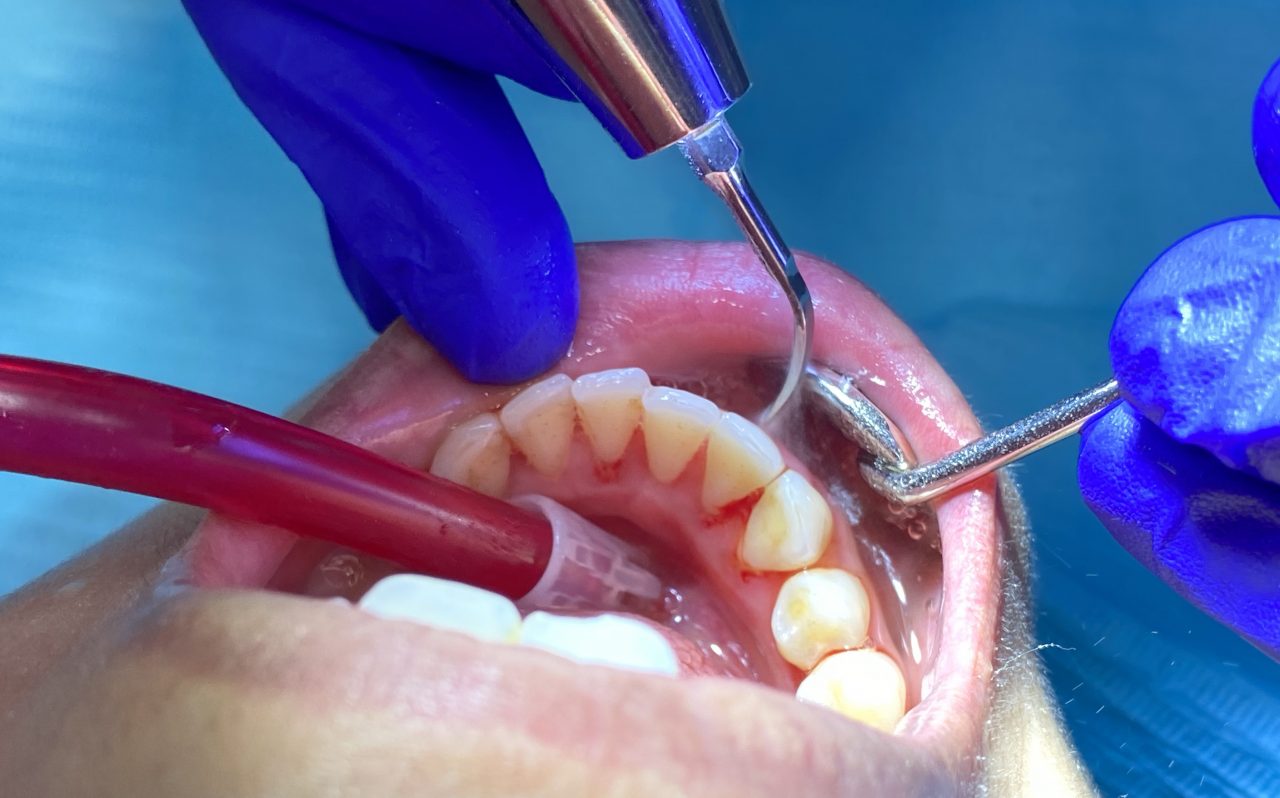
Pericoronarita este o leziune determinata de complicatiile care apar in general in timp ce erupe maseaua de minte. Aceasta este considerata o urgenta stomatologica. Pericoronarita este o complicatie septica produsa prin infectarea sacului ce inconjoara dintele in timpul eruptiei si poate constitui un punct de plecare catre alte infectii secundare in apropierea acestuia, partile moi inconjuratoare, osul maxilar sau ganglionii.
Alte tulburari ce pot aparea in timpul eruptiei maselei de minte sunt: nevralgii dentare, contractii musculare, trismus (blocarea maxilarului). In functie de manifestarea acestei afectiuni si in functie de gravitate se poate clasifica in pericoronarita cronica si acuta.
Pericoronarita cronica – afectarea tesuturilor moi din jurul molarului iar durerea se poate intinde si spre ureche (durere iradianta).
Pericoronarita acuta (supurata sau congestiva) apare cu dureri in timpul masticatiei, deglutitia este efectuata cu dificultate si durere iar la presarea gingiei este eliminat un lichid apos amestecat cu sange.
Din ce cauze apare pericoronarita?
Igiena orala inadecvata;
Factori microbieni: bacterii acumulate la nivel gingival si in jurul coroanei molarului de minte erupt incomplet sau care au ramas in os si au determinat inflamatia tesutului in acea zona;
Acumularea de tartru;
Acumularea de resturi alimentare;
Traumatisme la nivel gingival in timpul masticatiei datorat unor alimente cu consistenta dura sau alimente picante/sarate sau foarte fierbinti;
Simptomele pericoronaritei
Datorita faptului ca este o infectie, simptomele sunt usor de identificat si recunoscut atunci cand suferi de pericoronarita:
dureri in timpul deschiderii gurii sau imposibilitatea deschiderii gurii;
inflamatia mucoasei;
acumularea unor secretii purulente la nivelul zonei afectate;
Printre cele mai grave complicatii determinate de pericoronarita sunt: tromboflebita sinusului cavernos, complicatii pulmonare, edem laringian sau septicemie.
Pericoronarita tratament
Pentru a trata pericoronarita, trebuie sa tinem cont de gravitatea acesteia:
in cazurile usoare se vor efectua spalaturi/irigatii cu colutii antiseptice, antiinflamatorii si analagezice;
drenajul colectiei purulente de la nivelul sacului ce inconjoara coroana dentara sub anestezie;
decapusonarea sau indepartarea saculetului cu ajutorul laserului stomatologic. Pentru un disconfort minim, aceasta manopera poate fi efectuata chiar si fara anestezie in functie de gradul de inflamatie si suportabilitate al pacientului in momentul respectiv. Extractia dentara se efectueaza dupa tratamentul inflamatiei acute.
De mentionat faptul ca se poate efectua si terapia durerii si biostimulare cu ajutorul laserului pentru o vindecare si recuperare cat mai rapida chiar si fara tratament cu antibiotice. Laserul avand efect antibactericid, vindecarea va fi mult mai rapida, usoara si cu o durere mult diminuata.