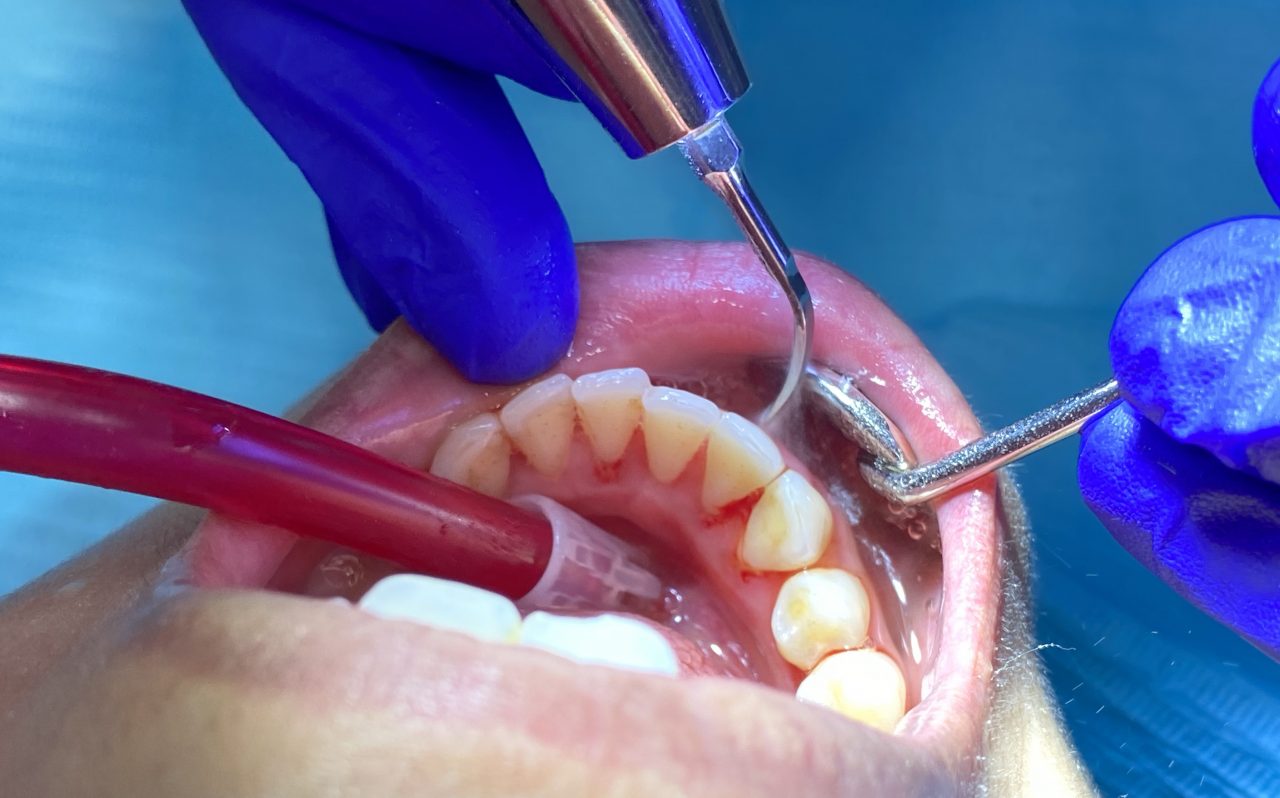
Pedodontie – specialitatea stomatologica ce are in vedere profilaxia si tratamentul afectiunilor care apar in perioada de dentitie la copii: dentitie temporara si dentitie permanenta la adolescenti. Copii si adolescenti au nevoi dentare diferite fata de adulti, fiind necesar tratamentul afectiunilor de catre un medic specialist in stomatologia pediatrica.
Pedodontia este o ramura relativ noua a stomatologiei care a fost infiintata in Romania abia in anul 1948 in cinci centre Universitare. In pedodontie, medicul trebuie sa aiba cunostinte de pediatrie, embriologie, patologie generala si orala, sa fie un bun cunoscator al psihologiei copilului. Pedodontul contribuie la educarea copiilor, adultilor si parintilor de maine in spiritul respectarii masurilor de igiena orala si profilaxie dentoparodontala. Este recomandata consultarea unui medic pedodont cat mai curand dupa eruptia primilor dinti, in vederea respectarii unor masuri de igiena si profilaxie dentara adaptate varstei.
Tipuri de dentitie
Formarea dintilor este un proces de lunga durata care incepe din saptamana 6 viata intrauterina si se incheie post-natal, in jurul varstei de 14-15 ani, odata cu incheierea formarii radacinii celui de-al doilea molar ( M12 ). Termenul de „dentitie” defineste tipul, numarul si aranjamentul dintilor in ansamblul lor. Unele mamifere (printre care si omul) au pe parcursul vietii doua generatii de dinti (numita si dentitie difiodonta):
- dentitia temporara/de lapte/deciduala – in timpul careia sunt realizate tratamente precum extractii, fluorizari si sigilari
- dentitia permanenta/definitiva/de adult.
Cum ajuta ramura de pedodontie dantura copilului tau?
- Conserva dintele afectat si-i restaureaza functiile pana la aparitia succesorului.
- Tratamentul dintelui temporar aduce beneficii copilului prin evitarea traumei extractionale.
- Molarii temporari au rol de mentinere a spatiului pentru viitorii molari definitivi.
- Tratamentul dintilor temporari se realizeaza prin metode simple atat timp cat copilul coopereaza.
- Instrumetarul si terapia medicamentoasa este specifica copiilor.
- Succesul tratamentului reduce numarul de extractii neplanificate si consecintele acestora pe termen scurt si mediu care pot aparea.
Cu toate acestea, rolul principal in educarea sanatatii orale a copilului mic revine in cea mai mare parte parintilor, deoarece igiena efectuata regulat si constiincios acasa ii va crea deprinderi sanatoase pentru toata viata.
In pedodontie, tratamentul stomatologic se desfasoara gradual in ordinea crescatoare a disconfortului pe care procedura o poate produce micului pacient. Astfel, la prima consultatie, este primul contact al copilului cu medicul pedodont si este bine sa se cunoasca inainte pentru a realiza o legatura de incredere si siguranta, se pot realiza interventii profilactice simple, precum:
- curatarea dintilor copilului (asa numitul periajul profesional)
- sigilarile simple (dupa ce s-a realizat si tratamentul psihologic-comportamental)
- indicatii pentru corectarea dietei, individualizarea tehnicilor de periaj etc.
La urmatoarele sedinte de tratament se pot realiza si celelalte interventii terapeutice, deoarece copilul a avut timp sa proceseze informatia de la prima sedinta:
- sigilarile largite
- obturatiile preventive
- detartrajul (daca este cazul)
Sfaturi, indicatii pentru un periaj corect si complet al copilului
Este recomandat să supraveghezi copilul pana la varsta de 6 ani cand se spala pe dinti, urmand aceste reguli:
- Utilizeaza o pasta de dinti, in principiu cu ingrediente cat mai naturale, fara fluor dar recomandata de medicul dentist, intr-o cantitate cat un bob de mazare.
- Utilizeaza o periuta cu peri moi si periaza intai suprafetele interioare ale tuturor dinţilor, pentru ca acolo se acumuleaza in principal placa bacteriana. Inclina periuta pe linia gingiei. Periaza usor inainte si inapoi.
- Curata suprafetele exterioare ale tuturor dintilor. Inclina periuta pe linia gingiei. Periaza usor inainte si inapoi.
- Aseaza periuta astfel incat perii sa fie perpendiculari pe suprafata ocluzala a molarilor. Periaza usor inainte si inapoi.