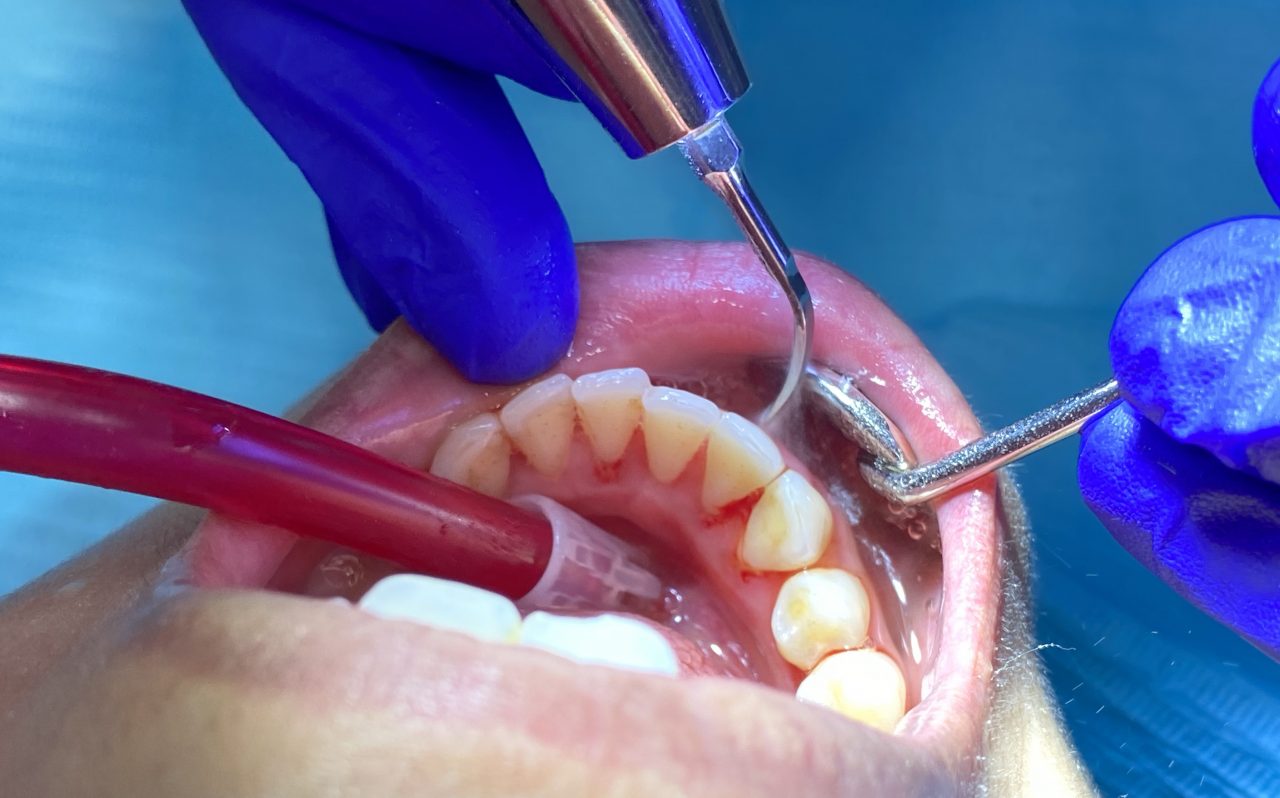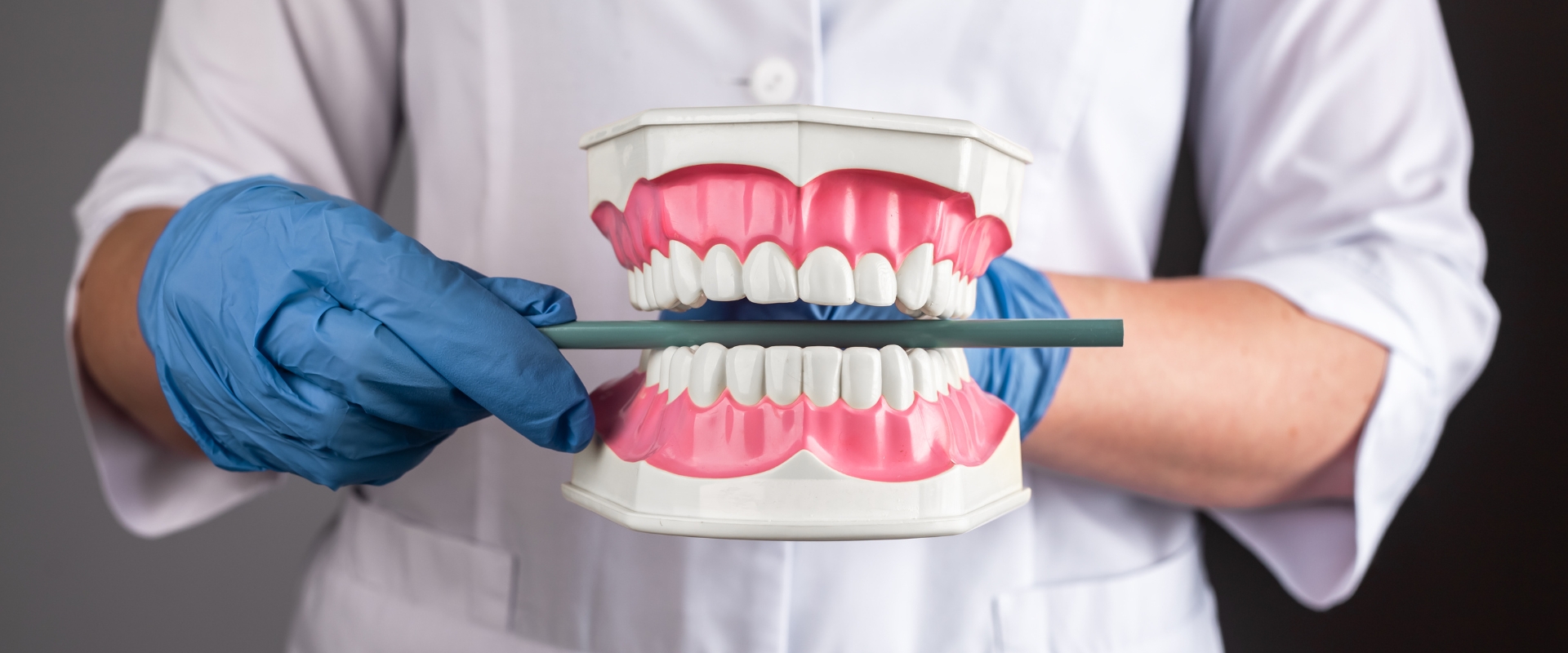

Ocluzie dentara (numita in termeni populari „muscatura”) – modul de imbinare a dintilor in momentul masticatiei si in toate momentele in care pacientul inghite, inclusiv in timpul noptii. Acest reflex este involuntar si distribuie de mii de ori, forta muschilor masticatori la nivelul osului maxilar, fie prin intermediul dintilor mobili, fie prin intermediul implanturilor. In cazul ocluziei dentare corecte, contactul dintre dinti trebuie sa fie cat mai mare. Atunci cand dintii sunt incorect pozitionati pe arcade (malocluzie, contactul dintre acestia poate fi afectat, iar in lipsa unui contact bine proportionat, unul sau mai multi dinti risca sa fie suprasolicitati.
Cele mai frecvente tipuri de malocluzie dentara (muscaturi incorecte) sunt: ocluzie dentara deschisa si ocluzie dentara inversa.
Este posibil chiar tu sa suferi de malocluzie si sa fi decis deja ca nu este o problema ce necesita prioritizare deoarece nu simti neaparat un disconfort. Cu toate acestea, indiferent de denumirea pe care o poarta si de gradul in care aceasta isi face simtita prezenta (aspect inestetic, dureri articulare, masticatie ingreunata etc.), o malocluzie reprezinta o afectiune serioasa care impune tratarea in cel mai scurt timp, pentru a evita ulterioare complicatii.
In cazul in care te afli in situatia de a suferi concomitent de malocluzie si parodontoza este bine de stiut ca una dintre cauzele care au facilitat aparitia parodontozei, ar putea fi chiar o ocluzie dentara deficitara si necorectarea acesteia la timp. Ca urmare a presiunii prea mari aplicate unora dintre dinti, acestia au dezvoltat treptat simptome strans legate de aparitia parodontozei (inflamatii, durere, mobilitate crescuta a dintilor, etc.).
Cazul cel mai frecvent in practica de pacient care sufera de parodontoza este cel al unui pacient care are in acelasi timp si implanturi dentare si dinti mobili. Conform regulilor stomatologiei primul contact in momentul inchiderii gurii nu trebuie sa fie niciodata la nivelul implantului dentar si de aceea stomatologul va face slefuiri selective care vor determina ca primul contact sa se gaseasca la nivelul dintilor naturali. Fiind vorba de un pacient cu parodontoza, dintii naturali se misca deja si astfel intreaga forta a primului contact ocluzal se va transmite unui dinte deja mobil.
Forta masticatorie se transmite asupra osului sub forma unei inflamatii care se va suprapune peste inflamatia deja existenta si care a determinat deja mobilitatea dintelui care din acea zi va urma sa preia si intreaga forta a primului contact ocluzal. Astfel, daca nu se iau urgent masuri de distribuire cat mai buna a fortelor ocluzale dublate obligatoriu de o actiune antiinflamatorie continua asupra osului maxilar exista certitudinea ca si acel dinte care suporta primul contact ocluzal se va pierde.
Daca nu se intervine regulat, unul dupa celalalt, dintii care succesiv devin dintii care suporta forta primului contact ocluzal sa se piarda. Bineinteles ca nu se indica extragerea tuturor dintilor si realizarea de reabilitari complete pe implanturi deoarece, in acest caz, dispare efectul de tampon reprezentat de dintii naturali in calea fortelor masticatorii, si toata forta echivalenta greutatii unui adult se va transmite articulatiei temporo-mandibulare cu risc de producere a inflamatiei acesteia si a aparitiei celui mai sever sindrom din stomatologie: disfunctia temporo-mandibulara caracterizata de dureri de cap si dureri musculare aprinse.
Atitudinea recomandata in cazul pacientilor cu parodontoza este sa se extraga cat mai tarziu dintii mobili, deoarece acestia reprezinta un tampon de neegalat in calea transmiterii fortelor ocluzale la osul maxilar, tampon total inexistent la implanturile dentare. Pe langa acest rol de absorbire a fortelor, dintii mobili au si propria sensibilitate numita proprioceptie, care face pacientul sa se opreasca daca strange prea tare din dinti, sensibilitate total inexistenta in cazul implanturilor dentare.
De aceea, se recomanda stoparea evolutiei parondontozei, tratament ce se poate efectua cu ajutorul laserului dentar, neinvaziv, fara durere, fara antibiotic.
Daca se intampla ca unii dintre dintii mobili sa nu mai poata fi mentinuti, se recurce la protezarea zonei cu implanturi unitare pentru a se incerca distribuirea cat mai egala a fortelor masticatorii asupra tuturor unitatilor dentare. Daca pacientului nu i se pot insera implanturi dentare se recomanda realizarea de lucrari dentare ceramice sau de lucrari mobile, scopul fiind de a reduce forta ocluzala aplicata fiecaruia dintre dintii mobili restanti.
Oricum s-ar realiza o ocluzie dentara, tinand cont ca mandibula are o infinitate de pozitii posibile, suprasarcini se vor transmite cu siguranta si asupra dintilor mobili restanti si asupra dintilor stalpi care sustin puntile dentare ceramice.
Intarind cele deja mentionate mai sus, in cazul problemelor dentare se recomanda pastrarea dintilor naturali pe o perioada cat mai indelungata de timp, si nu inlocuirea acestora cu implanturi dentare care dau impresia unei danturi sanatoase.
Metoda cea mai folosita in in cazul in care suferi de ocluzie dentara deficitara este fixarea unui aparat dentar. Prin forta aplicata de acesta, aparatul dentar are rolul de a modifica pozitia dintiilor, si ii aliniaza in mod corect atat din punct de vedere estetic, dar mai ales functional. Forta exercitata asupra dintilor face ca acestia sa dezvolte o mobilitate care sa permita repozitionarea lor in arcada. Pentru a evita suprasolicitarea dintilor si afectarea acestora in mod negativ se va aplica o presiune treptata, tratamentul avand astfel un termen indelungat de actiune (+6 luni, in functie, desigur, de gravitatea problemelor).
O ocluzie dentara deficitara este doar una dintre numeroasele probleme dentare intalnite, dupa cum se poate observa atat medical, cat si practic, in viata de zi cu zi, majoritatea dintre ele sunt interconectate, generandu-se una pe cealalta si creandu-si unele altora medii propice pentru a se dezvolta, ca intr-un joc de domino in care ultima piesa cazuta corespunde caderii dintilor.
Daca si tu suferi de malocluzie dentara, nu ezita sa efectuezi o programare online pentru a asigura corectarea acesteia cat mai repede.
Mai Multe
articole
Ne poți suna in timpul programului (Luni-Vineri: 8:00-21:00 | Sâmbătă: 8:00-16:00) sau poți face o programare online.
2026 Toate drepturile rezervate - Life Dental Spa


Nu lăsa o durere de dinți neașteptată să îți strice concediul! Pune pe lista de bagaje și o vizită rapidă la Life Dental Spa.
Echipa noastră de medici folosește tehnologia laser pentru a rezolva orice problemă rapid, confortabil și fără stres.