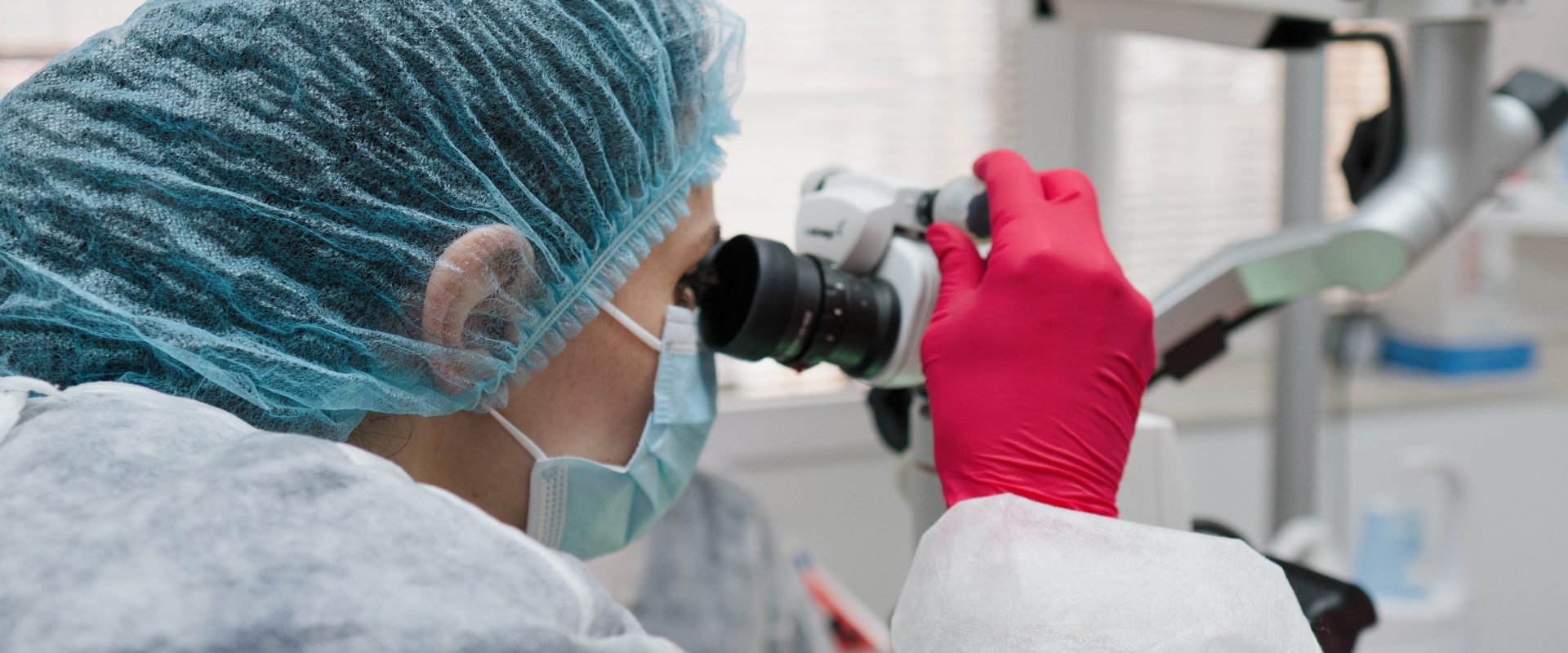
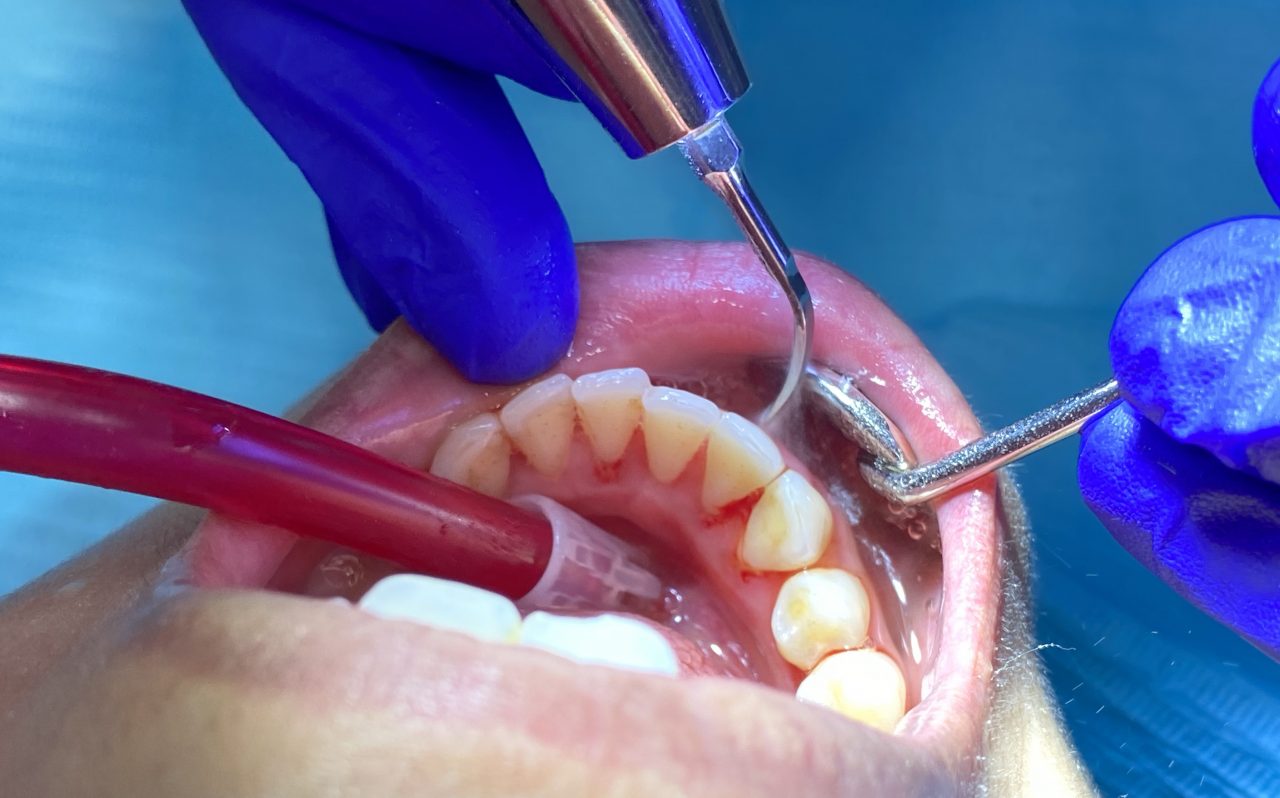
Am mentionat de nenumarate ori faptul ca stomatologia este intr-o continua evolutie. Avand in vedere faptul ca in acest domeniu se lucreaza pe o suprafata atat de mica – si mai ales in endodontie unde de multe ori ne bazam pe simtul tactil mai mult decat pe vizibilitatea propriu-zisa – s-au cautat constant metode care sa faciliteze modul de lucru printr-o vizibilitatea mai buna. Cu alte cuvinte nevoia de magnificatie a devenit o prioritate. Initial au fost introduse lupele, sistem de magnificatie purtat de medicul stomatolog, prevazute sau nu cu o sursa de lumina. Nu vom nega eficienta lupelor, insa cu adevarat revolutionar in domeniul endodontiei este un microscop dentar.
Principalele avantaje atunci cand se foloseste un microscop dentar, sunt acelea ca ofera o pozitie fixa, constanta a imaginii, este prevazut cu o sursa de lumina a carei intensitate poate fi reglata si, de asemenea este prevazut cu mai multe trepte de magnificatie permitand astfel realizarea procedurilor de mare finite.
Cum actioneaza un microscop dentar in fiecare etapa a unui tratament endodontic
In ceea ce priveste realizarea accesului catre camera pulpara (cavitatea ce adaposteste nervul dintelui), aceasta este mult facilitata de utilizarea microscopului. Prin vizibilitatea crescuta se indeparteaza doar cantitatea necesara de tesut dentar pentru a creea geometria ideala a accesuului catre nerv si astfel se conserva tesuturile dentare neafectate ce vor conferi un plus de rezistenta dintelui pe viitor.
Reperarea orificiilor de deschidere ale canalelor radiculare devine mult mai facila. Exista multe situatii in care intrarea la nivelul canalelor radiculare este calcifiata sau altfel spus blocata din cauza mineralizarii pulpei dentare de la acest nivel. Printre cauzele posibile ce determina acest fenomen se numara prezenta indelungata a unei carii netratate – pulpa dentara se retrage practic din calea agresiunii reprezenate de carie prin mineralizare. Fara o buna vizibilitate este aproape imposibil sa permeabilizam canalele dentare si in incercarea acestei actiuni pot aparea accidente nedorite ce pot compromite succesul tratamentului.
De asemenea, un microscop dentar permite prin diferitele trepte de magnificatie vizualizarea traiectului canalelor radiculare si astfel posibilele reminescente de pulpa dentara in cazul unui tratament sau de material de obturatie in cazul unui retratament, facilitand indepartarea acestora.
Deosebit de important, un microscop dentar permite vizualizarea corpurilor straine de la nivelul canalelor radiculare, cum sunt fragmentele de ace rupte si faciliteaza indepartarea acestora.
Cu ajutorul microscopului se pot detecta posibile fisuri sau fracturi prezente fie coronar la nivelul peretilor sau podelei camerei pulpare, fie la nivel radicular.in acste situatii practice putem sa stabilim prognosticul unui dinte in ceea ce priveste mentinerea lui pe arcada.
In cazul prezentei unei perforatii la diferite nivele sau a unui apex (varful dintelui) prin vizibilitatea crescuta oferita de microscop acestea pot fi inchise cu success cu materialele specific crescand sansele de succes ale tratamentului.
Cu ajutorul microscopului se poate realiza o obturatie de canal mult mai compacta deoarece exista controlul aplicarii materialului la nivelul canalelor dentare cu o contributie importanta in ceea ce priveste succesul tratamentului endodontic.
Prezenta unui microscop dentar in practica stomatologica si, mai specific, in domeniul endodontic a fost cu adevarat revolutionara, iar eficienta sa este de necontestat. Avantajele oferite de vizibilitatea crescuta au contribuit in mod definitoriu la cresterea ratei de succes a tratamentelor endodontice si astfel la o mentinere cat mai indelungata a dintilor pe arcada.