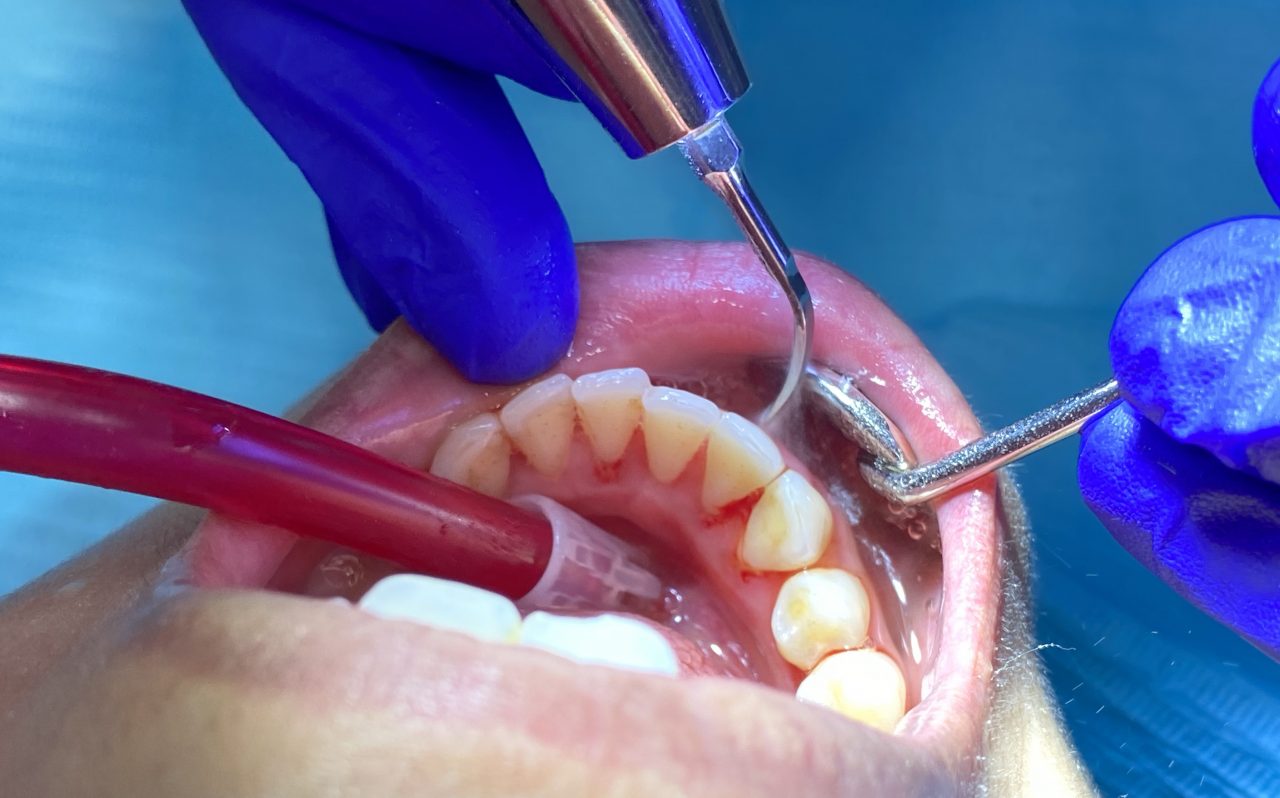
Tehnologia a avansat foarte mult in ultimii ani, iar la momentul actual, tratamentul de canal nu mai este ce a fost odata. Desi este o procedura meticuloasa ce necesita timp, introducerea microscopului, a sistemelor rotative si a laserului faciliteaza extrem de mult intreaga procedura. Cu toate acestea, nu se pot oferi garantii in ceea ce priveste rezultatul final al tratamentului, deoarece organismul uman este o enigma in ceea ce priveste reactivitatea sa. Desi dispunem de toata tehnologia necesara pentru a asigura predictibilitate in timp a tratamentului de canal, exista anumiti factori ce pot periclita rezultatul final, si pot duce la aparitia unor infectii, cum ar fi, de exemplu, infectia la masea.
Factori care pot favoriza infectia la masea dupa tratament
Dintii tratati endodontic sunt in permanenta expusi atacului microorganismelor cavitatii bucale, ceea ce face ca posibila aparitia unei infectii la masea, chiar si atunci cand pare ca vindecarea a fost completa.
Factorii care influenteaza prognosticul tratamentului de canal se pot imparti astfel: preoperatori (varsta, sex, simptomatologie, localizarea dintelui cauzal, anatomia sistemului endodontic, dimensiunea leziunii prezente la varful dintelui, starea de sanatate parodontala si generala), intraoperatori (tratamentul chemomecanic, prepararea si obturarea canalelor radiculare, numarul sedintelor de tratament, tehnicile si materialele de obturatie utilizate, posibilele accidente si complicatii), postoperatori (metodele de restaurare realizate dupa finalizarea tratamentului endodontic).
- Erori de diagnostic sau ale planului de tratament – Aceste erori pot fi evitate printr-o analiza atenta atat clinica, cat si radiologica a cazului, precum si a simptomatologiei.
- Cavitate de acces incorecta, in afara locului de electie, prea mica si care nu va permite accesul direct al instrumentelor endodontice in interiorul canalului radicular – acest aspect poate fi remediat prin utilizarea magnificatiei oferite de microscopul operator, cu ajutorul caruia putem vizualiza accesul catre fiecare canal.
- Omiterea unui canal radicular – si in acest caz, cu ajutorul microscopului operator ce ofera magnificatia corespunzatoare, se pot detecta canalele calcificate, blocate si cu ajutorul instrumentelor de finete, cum sunt ansele de ultrasunete, se poate permeabiliza si aceste canale.
- Tratament chemomecanic incorect – este importanta utilizarea unei secvente corespunzatoare de solutii cum sunt hipocloritul de sodiu, EDTA-ul, acidul citric etc., precum si realizarea unei largiri a canalelor corecta si sigura, utilizand sistemele de ace rotative. Pentru lavaj, este important sa utilizam cam 5 ml de solutie per canal si acesta sa dureze cam 1-2 min. Pentru siguranta, hipocloritul de sodiu se poate activa utilizand ansele de ultrasunete si, nu in ultimul rand si foarte importanta, este utilizarea laserului dentar care poate indeparta pana la 95% din bacteriile existente in spatiul endodontic.
- Obturatii incomplete – este importanta sigilarea corespunzatoare a canalelor radiculare, pe toata lungimea lor, pentru a evita riscul unei posibile infiltrari bacteriene ulterioare. In acest fel se diminueaza si riscul ca infectia la masea sa se instaleze. Pentru acest lucru, se utilizeaza conurile de gutaperca (materialul cu care practic inlocuim nervul scos), calibrate pentru sistemul de ace rotative utilizate. Astfel vom obtine o obturatie etansa perfect adaptata la peretii canalului dentar. De asemenea, conurile de gutaperca se vor sectiona cu ajutorul unei anse ce se incalzeste automat la 230⁰ C, iar restul canalului ce ramane neobturat se va umple cu gutaperca incalzita prin injectare. Vom obtine astfel o obturatie perfect uniforma, omogena si pe toata lungimea canalului. Este importanta respectarea lungimii de lucru a canalului radicular si acest lucru se realizeaza utilizand dispozitive precum apex – locatorul, ce ne indica exact momentul cand ajungem la varful dintelui.
- Inchiderea coronara incorecta, fapt ce va permite infiltratia microbiana de la nivelul cavitatii bucale, favorizand astfel riscul aparitiei de infectie la masea. Chiar si in conditiile realizarii unei obturatii de canal perfect omogena, daca sigilarea coronara este precara, exista riscul de infiltratii cu aparitia ulterioara a unei infectii. De aceea, se recomanda sigilarea coronara utilizand sistemele de materiale adezive, cum sunt compozitele dentare si apoi acoperirea dintilor tratati endodontic cu coroane, pentru o sigilare optima si siguranta in ceea ce priveste rezistenta la fortele masticatorii.
In cazul tratamentului endodontic, stabilirea prognosticului se refera la evaluarea posibilitatilor de aparitie a unor infectii ulterioare finalizarii tratamentului de canal, cum ar fi, de exemplu, infectia la masea. Intelegerea importantei evaluarii prognostice a fiecarui caz in parte va stimula medicul stomatolog in perfectionarea metodelor sale de tratament, in evitarea factorilor ce pot favoriza esecul si in intelegerea procesului de vindecare.