Ce inseamna tratamente endodontice?
Tratamentul endodontic este cunoscut de majoritatea oamenilor drept procedura de „scoatere a nervului”. Este de multe ori privita ca o procedura traumatizanta, dureroasa, de care toata lumea se fereste. In ultimii ani tehnologia a evoluat foarte mult astfel incat intreaga procedura de obturatie canal a devenit mult mai prietenoasa si mai usor de tolerat. In cele ce urmeaza vom prezenta in detaliu pricipalele etape pentru tratamente endodontice.
1. Anestezia – este un pas foarte important in special pentru confortul pacientului. Pulpa dentara afectata de bacterii este extrem de reactiva, astfel incat fara o anestezie atent si corect realizata, nu putem lucra in conditii acceptabile.
2. Izolarea dintilor – pe care urmeaza sa se realizeze tratamente endodontice. In acest scop se utilizeaza diga. Diga este o folie de cauciuc la nivelul careia se realizeaza un orificiu prin care va iesi dintele. Folia de cauciuc sta fixata pe dinte cu ajutorul unei cleme metalice. In momentul aplicarii acesteia exista posibilitatea ca pacientul sa resimta o usoara presiune, dar cu care se va obisnui in maxim un minut. Prin aceasta izolare impiedicam saliva sa patrunda in interiorul dintelui, aspect deosebit de important, deoarece in saliva exista cea mai mare cantitate de bacterii. De asemenea solutiile pe care le foloseste medicul pentru lavaj, destul de puternice, vor ramane la nivelul foliei evitand astfel posibilitatea ca acestea sa aiba contact cu mucoasa bucala.
3. Realizarea accesului catre camera nervului – aceasta etapa pentru tratamente endodontice se realizeaza in cele mai multe cazuri prin curatarea cariei complicate ce a determinat patologia pulpara. Sunt situatii in care exista o distructie foarte mare a dintelui si in aceste cazuri inainte de tratamentul propriu-zis este necesara reconstructia peretilor lipsa.
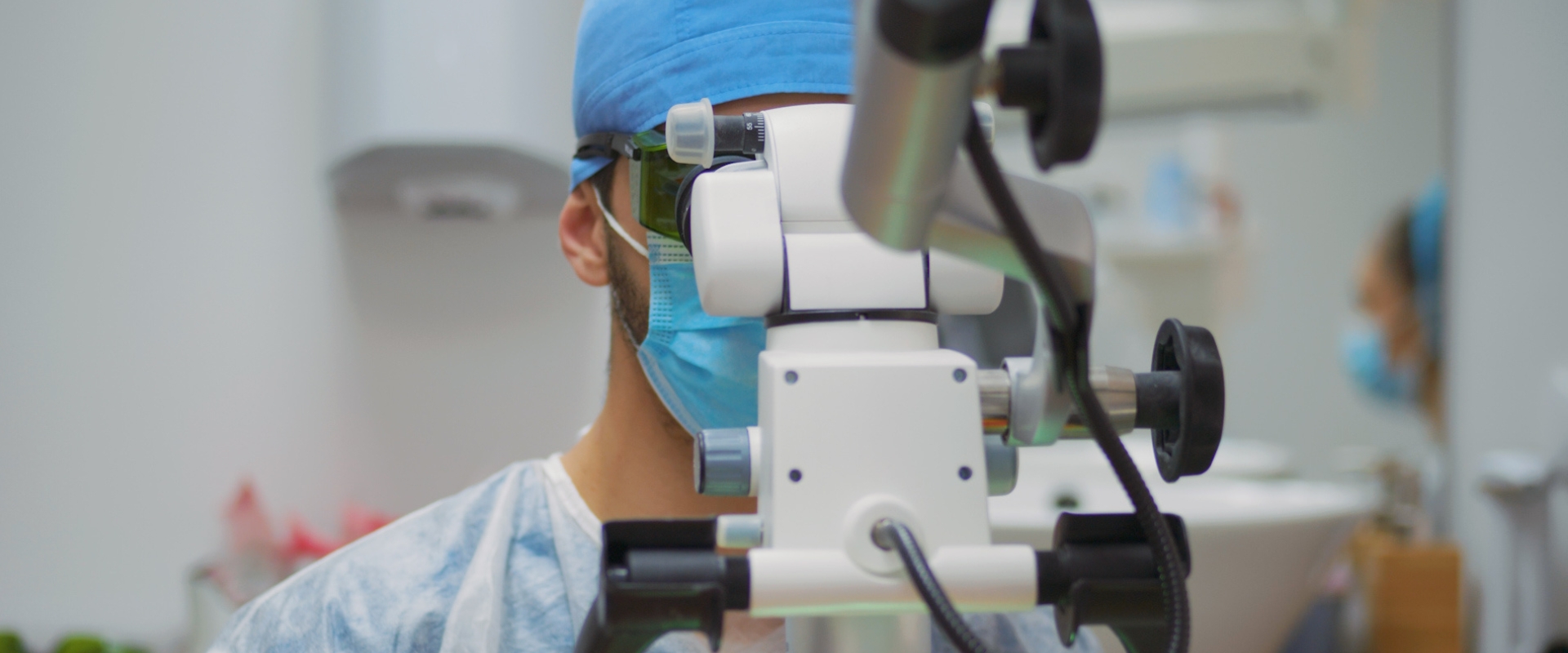
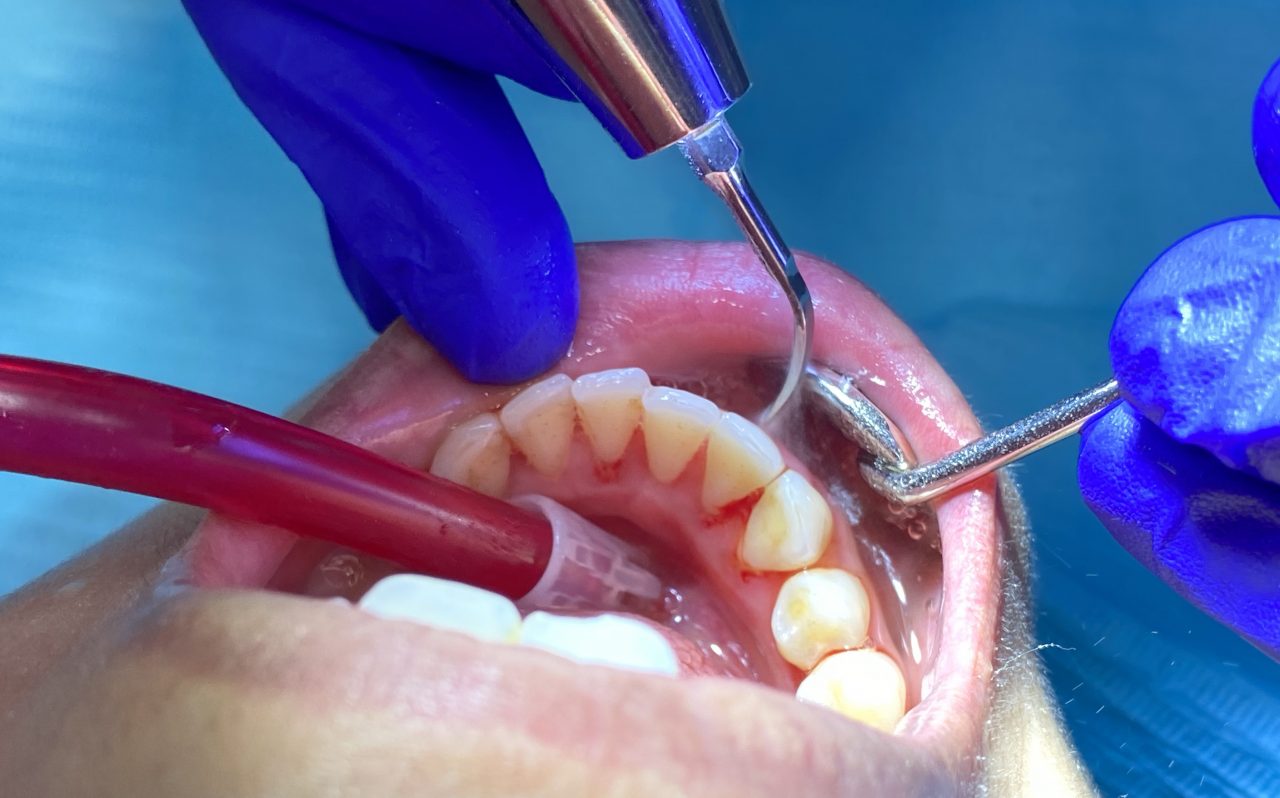
4. Reperarea si prelucrarea canalelor radiculare – orificile de deschidere ale canalelor radiculare sunt descoperite cu ajutorul unui microscop dentar si in cazul prezentei unor calcifieri la acest nivel, ce fac imposibila negocierea acestora, se utilizeaza ansele de ultrasunete, diamantate sau nu pentru indepartarea acestor obstructii.
5. Tratamentul mecanic al canalelor sau largirea lor – se realizeaza initial manual, cu ace, pentru o permeabilizare initiala. Lungimea corecta de lucru se stabileste cu ajutorul apex locatorului. Apoi cu ajutorul sistemelor rotative se va realiza largirea corespunzatoare a acestora. In acest moment pacientul poata sa simta o senzatie de vibratie data de miscarea acului rotativ. Tratamenului mecanic se asociaza un lavaj corespunzator al canalelor pentru a indeparta progresiv resturile organice si anorganice de la acest nivel. Pentru tratamente endodontice, cel mai frecvent utilizate sunt hipocloritul de sodiu si EDTA-ul (acidul etilendiaminotetraacetic).
6. Uscarea canalelor utilizand conuri de hartie – in continuare, se va realiza sterilizarea canalelor cu ajutorul laserului de tip dioda. Cu ajutorul unui varf cu o lungime corespunzatoare se patrunde la nivelul fiecarui canal si se realizeaza miscari circulare de la varful canalului catre orificiul de dechidere al acestuia de la nivelul podelei camerei pulpare timp de 20-45 de secunde pentru fiecare canal in parte. Pentru cazurile in care exista o secretie abundenta la nivelul canalelor aceste miscari se realizeaza in prezenta hipocloritului de sodiu si apoi se usuca utilizand conurile de hartie canalele radiculare. Daca insa exista o secretie ce persista la nivelul canalelor este necesara aplicarea unui medicament la nivelul canalelor timp de 7 zile pentru combaterea acesteia. Cel mai frecvent utilizat este hidroxidul de calciu. Asta inseamna ca, la tratamente endodontice, se mai adauga o sedinta pentru finalizarea acestora.
7. Obturatie de canal – Initial se coafeaza peretii canalelor cu pasta de canal vehiculata cu ajutorul unui con de hartie, apoi la nivelul fiecarui canal se introduc canurile de gutaperca care se sectioneza la nivelul orificiilor de deschidere al acestora sau se sectioneaza mult mai in profuzime si apoi se utilizeaza injectarea de gutaperca. La final se realizeaza obturatia coronara din compozit.
Aceste tratamente endodontice sunt proceduri de durata, ce necesita rabdare si meticulozitate in executie, de aceea este important ca pacientul sa cunoasca si sa inteleaga aceste etape pentru a tolera si accepta cu mai multa usurinta obturatia de canal.
Daca ai nevoie de un tratament de canal, poti efectua o programare online sau apeland numarul +40.318.282.274