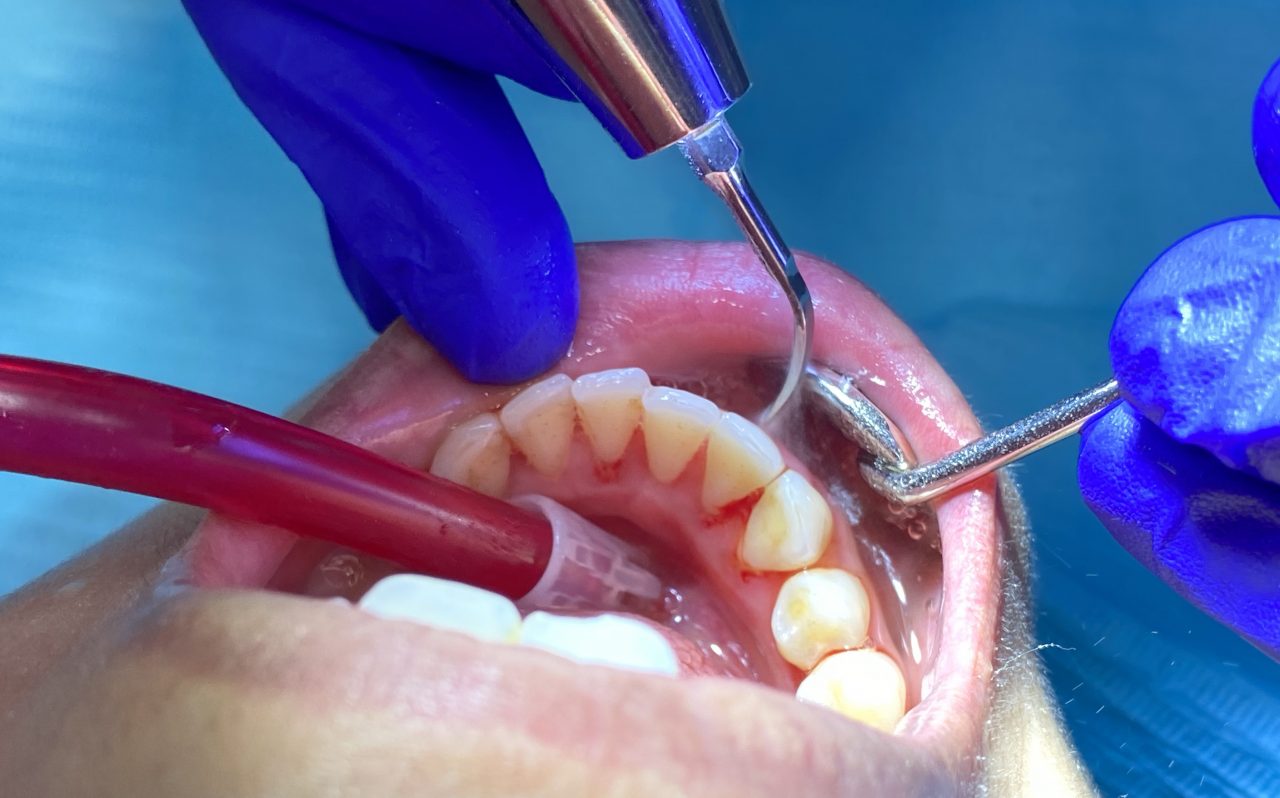

Durerea de dinti este durerea pe care o simti in sau in jurul dintelui. Cel mai adesea, durerile de dinti indica faptul ca ceva nu este ceva in regula cu acestia sau cu gingiile. Uneori, insa, durerile de dinti sunt dureri de referinta. Asta inseamna ca acestea sunt cauzate de o problema existenta in alta parte a corpului tau. Indiferent care este cauza, nu ar trebui sa le ignori niciodata, deoarece se pot agrava daca nu sunt tratate.
Durerea de dinti poate varia de la usoara pana la severa si poate fi constanta sau intermitenta. Poti simti:
Cauze comune:
Cauze frecvente pentru durerea de dinti: Sinuzita este o afectiune in care sinusurile se inflameaza din cauza unei infectii virale, bacteriene sau fungice in cavitatea sinusala. Deoarece radacinile dintilor superiori sunt aproape de sinusuri, sinuzita poate provoca dureri in dintii maxilari.
Cauze mai putin frecvente ale durerilor de dinti: Bolile de inima si cancerul pulmonar pot provoca, de asemenea, dureri de dinti. In unele cazuri, durerea de dinti poate fi un semn de avertizare a unui atac de cord. Afectiunile cardiace si pulmonare pot provoca dureri dentare din cauza localizarii nervului vag. Acest nerv are traiectorie de la creier la diferite organe din corp, inclusiv inima si plamanii, trecand si prin zona maxilara.
Cauze rare ale durerilor de dinti: Nevralgia trigeminala si nevralgia occipitala sunt afectiuni neurologice dureroase care determina iritarea sau inflamarea nervilor trigeminali si occipitali. Acesti nervi servesc craniul, fata si dintii. Cand se inflameaza, durerea poate simti ca vine din dinti.
Durerea de dinti necesita, de obicei, tratament medical. Tratamentul la domiciliu iti poate ameliora temporar durerea, in timp ce astepti programarea la medicul stomatolog. Tipurile de tratamente care pot fi efectuate in cazul in care prezinti durere, sunt:
Majoritatea oamenilor merg la dentist pentru durerea de dinti, deoarece majoritatea disconforturilor sunt cauzate de probleme cu dintii. Dentistul va folosi radiografii si un examen clinic al dintilor pentru a detecta cariile dentare sau alte probleme ale cavitatii orale. Daca durerile de dinti se datoreaza cariilor, medicul dentist va indeparta caria si va umple spatiul cu materiale dentare corespunzatoare. Un dinte afectat uneori chiar poate necesita indepartarea chirurgicala.
Daca medicul stomatolog nu poate gasi cauza durerilor de dinti, el iti poate da trimitere si la un alt medic din sfera medicinei generale pentru diagnosticare si tratament suplimentar.
Tratamentul sinuzitelor
Medicul tau poate trata sinuzita cu antibiotice sau medicamente decongestionante. In cazuri rare, este posibil sa fii nevoit sa faci o interventie chirurgicala. In acest caz, medicul te va trimite la un specialist.
Tratamentul pentru nevralgia trigeminala si nevralgia occipitala
Nu exista nici un remediu pentru aceste afectiuni. Tratamentul consta, de obicei, in administrarea de medicamente pentru a putea tine sub control si durerea de dinti.
Tratament pentru atac de cord, boli de inima si cancer pulmonar
Daca medicul stomatolog suspecteaza ca suferi de un atac de cord, te va trimite imediat la sectia de urgenta a unui spital, chiar poate solicita ajutorul ambulantei in cazuri grave. Daca medicul dentist suspecteaza ca ai o boala cardiaca sau pulmonara, te vor trimite la medici specializati pentru testari suplimentare.
Tratament la domiciliu
Printre lucrurile care te pot ajuta sa iti ameliorezi temporar durerea de dinti, putem include:
*Consulta medicul stomatolog inainte de a utiliza orice produs cu benzocaina. Copiii sub 2 ani nu ar trebui sa utilizeze produse care contin benzocaina.
Ai nevoie de tratament de urgenta daca durerea de dinti este insotita de urmatoarele simptome:
Pentru a preveni durerea de dinti, trebuie sa periezi dintii cel putin de doua ori pe zi, dimineata imediat ce te-ai trezit si seara inainte de culcare, sa folosesti ata dentara sau dusul bucal si totodata sa programezi controale periodice la stomatolog si igienizari de doua ori pe an sau de cate ori este recomandat de catre dentistul tau.
Poti, de asemenea, sa iti mentii inima si plamanii sanatosi prin renuntarea la fumat, printr-o dieta cu continut redus de grasimi si cu continut ridicat de fibre si exercitii fizice de cel putin 30 de minute pe zi.
Mai Multe
articole
Ne poți suna in timpul programului (Luni-Vineri: 8:00-21:00 | Sâmbătă: 8:00-16:00) sau poți face o programare online.
2026 Toate drepturile rezervate - Life Dental Spa


Nu lăsa o durere de dinți neașteptată să îți strice concediul! Pune pe lista de bagaje și o vizită rapidă la Life Dental Spa.
Echipa noastră de medici folosește tehnologia laser pentru a rezolva orice problemă rapid, confortabil și fără stres.