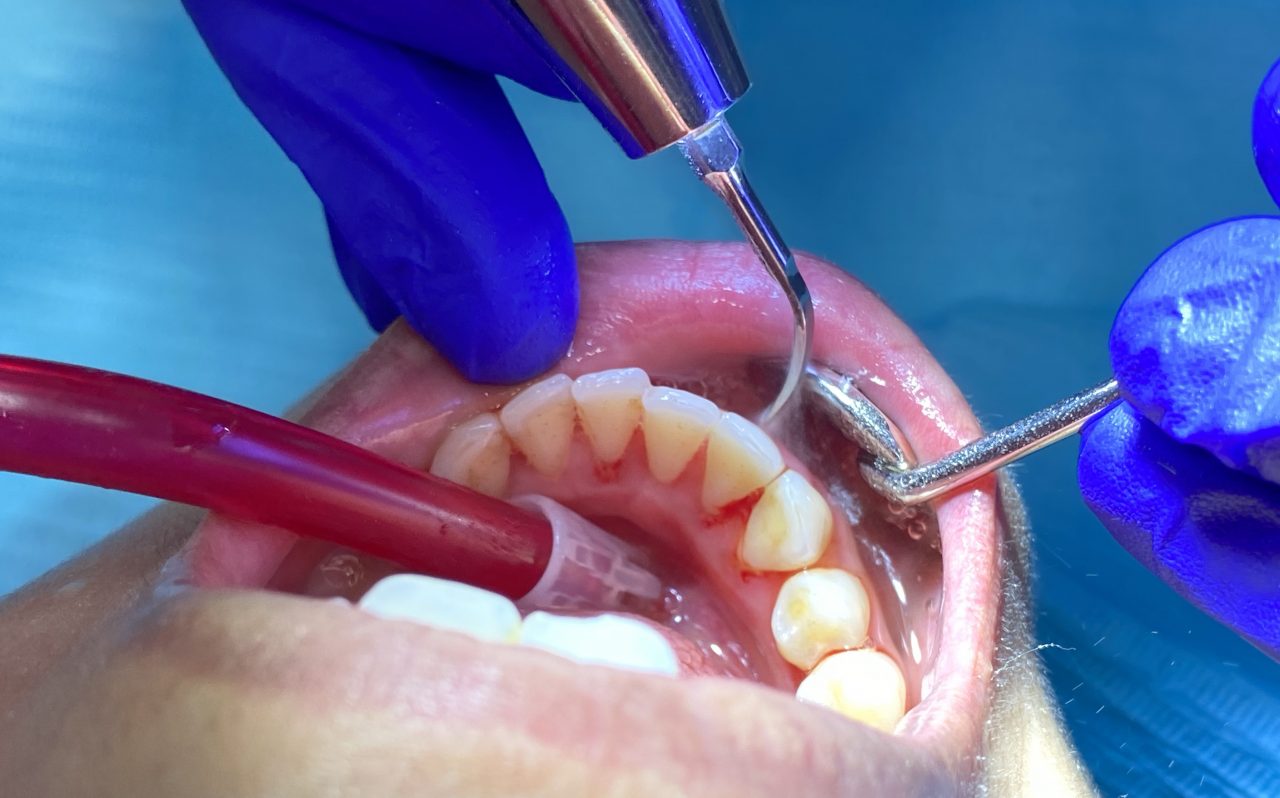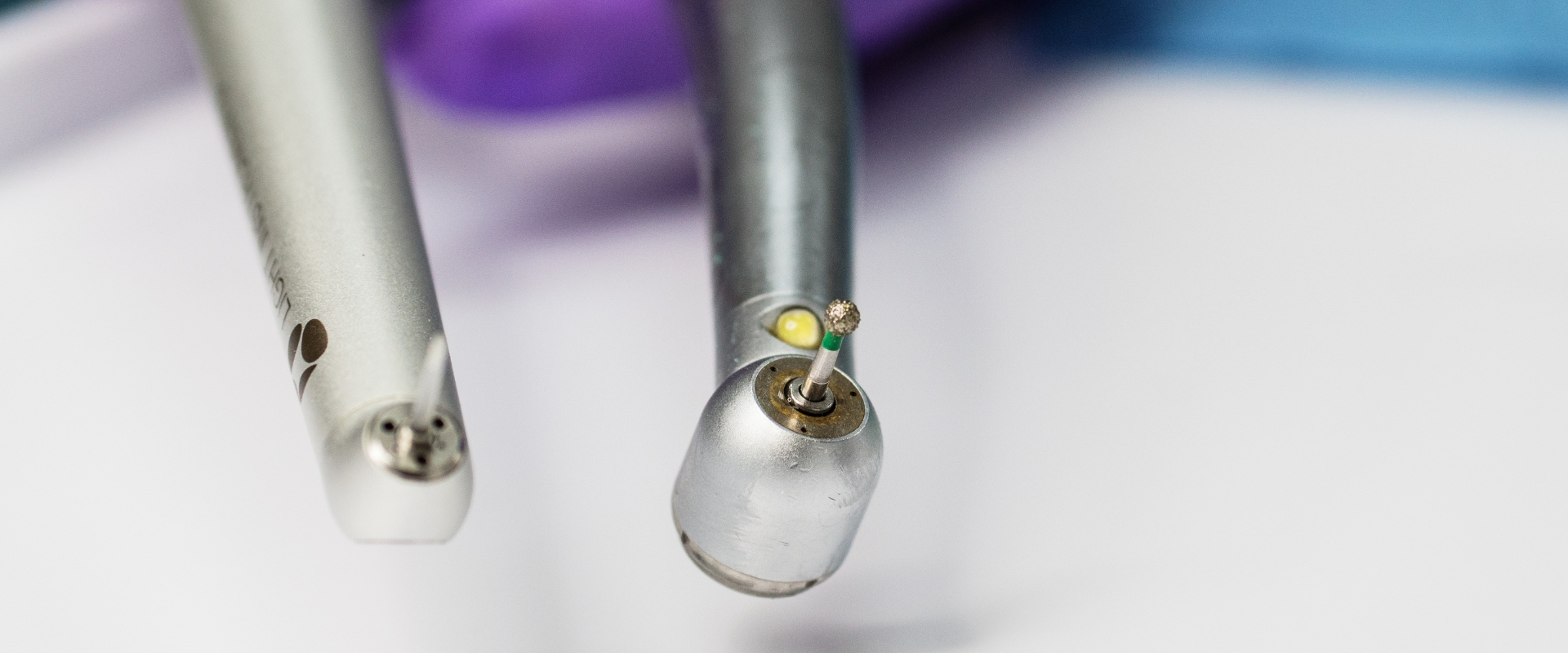

In ziua de azi, laserul dentar completeaza sau chiar inlocuieste frezele si alte instrumente traditionale pentru unele proceduri dentare, inclusiv in cazul canalelor radiculare. Potrivit Asociatiei Americane a Endodontilor (AAE), milioane de dinti sunt tratati si, mai important, sunt salvati in fiecare an cu tratamentul endodontic, care devine necesar atunci cand pulpa dentara, tesutul viu adanc din interiorul dintelui, se inflameaza si/sau se infecteaza.
Tratamentul canalului radicular poate fi necesar din mai multe motive, printre care:
In acest moment este util sa te familiarizezi cu anatomia de baza a unui dinte. Coroana sau suprafata exterioara a partii vizibile a dintelui este formata din smalt; sub acesta se afla un al doilea strat format din dentina, un material asemanator osului dur care cuprinde si radacina sau radacinile dintilor. In dentina se afla pulpa, care contine vase de sange, nervi si tesut conjunctiv.
Tratamentul canalului radicular (RCT) sau tratamentul endodontic („endo”= in interior si „dont”= dinte) este utilizat pentru a trata un dinte si pentru a atenua durerea care este asociata cu deteriorarea pulpei. In timpul unei proceduri traditionale de tratament de canal radicular, medicul dentist sau endodont (specialist in tratamentul canalului radicular) va folosi anestezia locala pentru a amorti dintele. O mica deschidere se face prin gaurirea in partea din spate a unui dinte din fata sau a suprafetei ocluzale a unui dinte din spate, pentru a accesa pulpa. Pulpa inflamata sau infectata este indepartata si sistemul canalului radicular, in interiorul dintelui, este curatat, modelat si dezinfectat. Apoi este umplut si sigilat cu un material asemanator cauciucului numit gutaperca. In cele din urma, dintele este restaurat cu o umplutura sau coroana si o procedura reusita asigura faptul ca un dinte continua in functiune normala.
Laserul dentar utilizeaza fascicule de lumina pentru a indeparta sau modifica tesuturile moi si dure din gura. Food and Drug Administration (FDA) a aprobat utilizarea diferitelor lasere ca adjuvant in tratamentul endodontic. Laserele emit in esenta o lumina intensa focalizata, ale carei proprietati particulare pot interactiona cu tesuturile biologice. Laserele pot fi folosite acum pentru a deschide suprafata unui dinte pentru a accesa canalul radicular, a indeparta tesutul bolnav, a curata, a dezinfecta si a forma canalul si a-l umple.
Conform unei lucrari de pozitie AAE, utilizarea laserelor pentru a ajuta la dezinfectia canalului radicular este mai promitatoare decat in pregatirea canalului radicular. Laserele pot fi folosite pentru a indeparta pulpa dentara si resturile organice si chiar pentru a modifica (forma si curata) peretii dentinali ai canalelor radiculare. Odata ce pregatirea este completa si canalul radicular este sigilat (de obicei cu gutaperca), laserul poate fi utilizat pentru a inmuia si a muta sigilantul pentru sistemul canalului radicular.
Laserul dentar poate anihila bacteriile si materialul infectat cu o mai mare precizie, pastrand uneori mai mult din structura sanatoasa a dintilor. De asemenea, poate reduce disconfortul prin eliminarea sunetelor deranjante ale exercitiilor, precum si prin limitarea nevoii de anestezie locala. Exista rapoarte de mai putina sangerare in timpul procedurilor chirurgicale ale canalului radicular si reducerea disconfortului si infectiei postoperatorii.
Un dezavantaj este ca lumina laser se deplaseaza in linie dreapta, in timp ce spatiile canalului radicular sunt rareori drepte, iar instrumentele traditionale ofera un avantaj, deoarece pot fi curbate pentru a urma forma radacinii dintelui. De asemenea, interactiunile implicate intre energia laserului si tesuturile dintilor pot provoca o crestere a temperaturii, care poate deteriora spatiul canalului si uneori chiar se poate extinde la suprafetele exterioare ale dintelui.
Un studiu stiintific recent care a comparat eficacitatea irigarii cu laser dentar a canalelor radiculare cu irigarea conventionala pentru a le dezinfecta a gasit rezultate favorabile pentru tehnologia laser. Irigarea activata cu laser pentru eradicarea bacteriilor si prevenirea cresterii bacteriilor noi a fost mai eficienta decat irigarea conventionala livrata printr-o seringa.
In timp ce exista un corp de dovezi cu privire la eficacitatea antibacteriana la tratamentul endodontic cu laser de mare putere, dovezile sunt neconcludente cu privire la faptul daca laserele ofera o sigilare superioara sau rate de succes clinice mai mari decat tehnicile conventionale. Sunt necesare mai multe cercetari pentru a stabili daca tratamentul endodontic asistat de laser este tehnica preferata, in special avand in vedere rata mare de succes a procedurilor non-laser. Intre timp, unii stomatologi combina atat laserul, cat si tehnicile traditionale pentru efecte optime.
Discuta cu medicul dentist sau specialist endodont despre tratamentul de canal radicular asistat laser, pentru a ajuta la cantarirea argumentelor pro si contra pentru a se potrivi nevoilor tale individuale.
Mai Multe
articole
Ne poți suna in timpul programului (Luni-Vineri: 8:00-21:00 | Sâmbătă: 8:00-16:00) sau poți face o programare online.
2026 Toate drepturile rezervate - Life Dental Spa


Nu lăsa o durere de dinți neașteptată să îți strice concediul! Pune pe lista de bagaje și o vizită rapidă la Life Dental Spa.
Echipa noastră de medici folosește tehnologia laser pentru a rezolva orice problemă rapid, confortabil și fără stres.