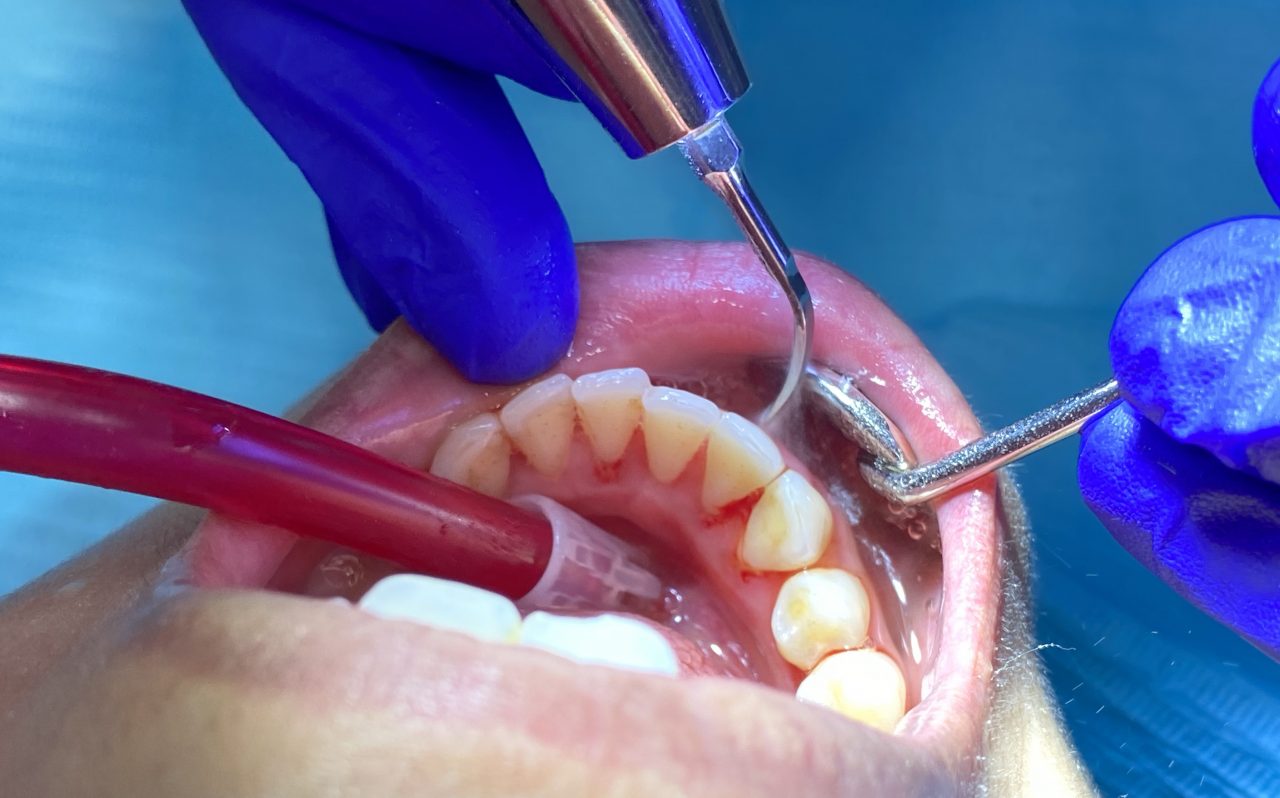
Majoritatea pacientilor nu au foarte multe informatii despre ce face si cum se foloseste un irigator bucal si, din pacate, doar o minoritate foloseste regulat acest dispozitiv.
Dusul bucal este recomandat in special in cazul celor care sufera de boli parodontale (gingivite si parodontoze), al purtatorilor de aparat dentar sau de implanturi, coroane, punti si alte tipuri de lucrari dentare fixe.
Un irigator bucal este indicat tuturor, deoarece este un dispozitiv care curata foarte bine spatiile interdentare, acolo unde niciun alt instrument de igiena orala nu ajunge cu adevarat.
Dusul bucal este un dispozitiv care foloseste apa pentru a iriga cu presiune suprafetele dentare. Apa curata cu jet puternic toate zonele, inclusiv cele interdentare si este o modalitate excelenta pentru a igieniza lucrarile protetice (coroane, punti, etc), aparatele ortodontice, implanturile dentare.
Exista mai multe tipuri de irigator oral, cu rezervor propriu sau conectate la chiuveta, cu rezervor mai mare sau mai mic, portabil sau nu, cu diverse trepte de viteza sau moduri de functionare (cu jet mai puternic de aer sau de apa). Dispozitivul care foloseste mai putina apa si mai multa presiune a aerului se numeste airfloss.
Tipul de irigator bucal cel mai eficient este cel portabil, deoarece acest dispozitiv trebuie sa te insoteasca mereu, oriunde ai merge, asa cum te insoteste si periuta de dinti. Recomandam modurile de functionare cu jet puternic de apa, pe care fiecare pacient il regleaza in functie de sensibilitatea si nevoile proprii.
De cate ori folosim periuta de dinti, folosim si dusul bucal. Pentru a realiza o irigare corecta, daca detii un aparat portabil, umple rezervorul de 4 ori, pentru a spala eficient fiecare cadran dentar (imparte fiecare arcada, maxilara si mandibulara, in doua jumatati egale si vei obtine 4 cadrane).
Este important sa facem acest lucru minim o data pe zi, seara, dar ideal este sa-l folosim de doua ori, si dimineata si seara. Daca il folosim doar din cand in cand, nu vom obtine nicidecum un rezultat favorabil.
Cand il folosim, tinem capul usor aplecat asupra chiuvetei, astfel incat apa sa se scurga acolo si sa nu stropim in jur, necontrolat.
Poate fi folosit un singur dus bucal de catre intreaga familie, deoarece este echipat cu mai multe capete intersanjabile. Unele dintre acestea sunt simple, sub forma unor tuburi subtiri de plastic efilate la unul din capete, altele sunt dotate cu periute fine, etc. Alegem capatul cu care simtim ca ne curatam cel mai bine.
Este necesar sa iti periezi dintii dupa fiecare masa, sau cel puțin de doua ori pe zi, dimineata si seara. Foarte multe persoane “sar” insa peste periajul de seara, din cauza oboselii, necunoscand faptul ca acesta este periajul cel mai important al zilei. Peste noapte, resturile alimentare fermenteaza si hranesc bacteriile care produc diversele probleme dentare, de la carii si pana la gingivite si parodontoze. In plus, placa bacteriana mai veche de 12 ore se solidifica pe suprafetele dintilor si formeaza tartrul, care nu mai poate fi indepartat de pe dinti cu periuta, ci doar prin detartraj profesional.
Nicio periuta de dinti, oricat de sofisticata ar fi, nu curata spatiile interdentare. Acolo este zona unde se strange cea mai bogata placa bacteriana si cele mai multe resturi de mancare, favorizand aparitia tartrului, cariilor, inflamatiilor gingivale. Asadar, trebuie neaparat sa folosim si un irigator bucal care curata aceste spatii, in completarea periutei de dinti (nu in locul ei!).
Pana acum ceva vreme, se folosea clasica ata dentara. Din pacate, aproape nimeni nu o foloseste regulat si nici corect. Manevrarea ei este greoaie, dificila, pacientul nu reuseste sa o introduca chiar in fiecare spatiu interdentar si uneori agata cu ea plombe, lucrari, etc. De obicei, pacientii o folosesc doar acolo unde simt ca au un spatiu foarte retentiv pentru alimente si ii deranjeaza daca nu il curata. In rest, insa, celelalte zone interdentare raman neatinse. Si aici ne bucuram ca avem posibilitatea de a folosi un irigator bucal.
Este indicat ca medicii sa recomande folosirea unui irigator bucal, deoarece cu ajutorul lui putem controla depunerile de placa bacteriana, care reprezinta cauza majoritatii problemelor dentare, de la carii si pana la gingivite si parodontoze. Sa nu uitam insa si de igienizarile profesionale periodice la dentist (detartraj, periaj profesional si airflow) care trebuie sa fie efectuate la fiecare 6 luni!
Mai Multe
articole
Ne poți suna in timpul programului (Luni-Vineri: 8:00-21:00 | Sâmbătă: 8:00-16:00) sau poți face o programare online.
2026 Toate drepturile rezervate - Life Dental Spa


Nu lăsa o durere de dinți neașteptată să îți strice concediul! Pune pe lista de bagaje și o vizită rapidă la Life Dental Spa.
Echipa noastră de medici folosește tehnologia laser pentru a rezolva orice problemă rapid, confortabil și fără stres.