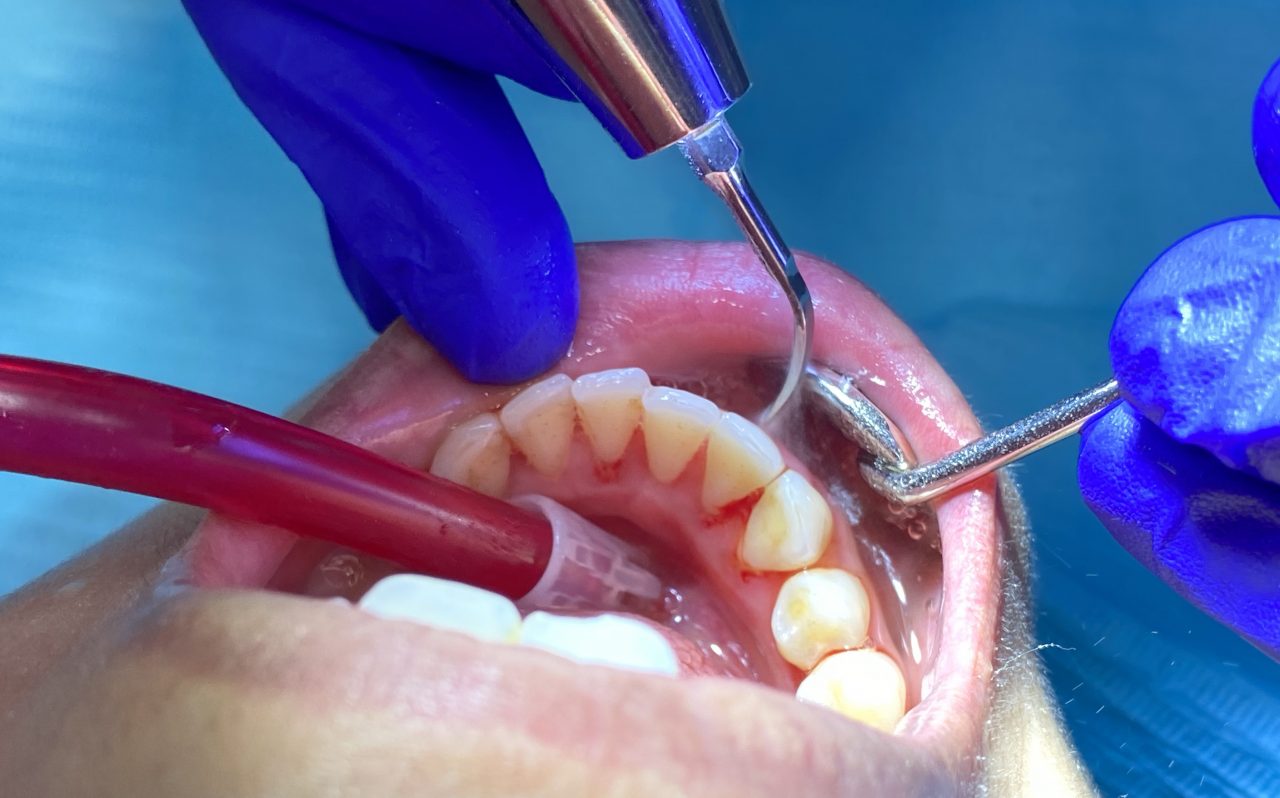
Plombele din compozit dentar sunt cele albe, realizate din ciment glass ionomer. Acest material a fost folosit mult timp ca un tampon intre compozit si pulpa dentara din cauza toxicitatii compozitului. Pe masura ce tehnologia a avansat compozitele au devenit din ce in ce mai putin toxice pentru dinte iar uzul acestui ciment s-a redus la pansamente provizorii sau plombe pe dinti temporari.
Cate tipuri de compozit dentar sunt?
Exista mai multe tipuri de compozit dentar. Unul dintre criteriile clasificarii acestora il reprezinta dimensiunea particulelor. In mare, un compozit dentar avea particule macro, micro, nano sau hibrid. Particulele macro au o rezistenta crescuta dar un aspect ceva mai mat si sunt folosite pentru plombele in zona laterala, iar cele micro si nano pot fi polisate mai bine, au aspect mai natural si o rezistenta mai mica fata de cele macro. Aceste sunt folosite indeosebi pe dintii frontali impreuna cu cele hibrid care reprezinta un echilibru intre estetica si rezistenta.
Cat rezista plombele din compozit dentar?
E o intrebare fara raspuns deoarece cauzele degradarii materialelor compozite sunt multiple. De regula cei mai importanti factori sunt dimensiunea plombei si localizarea ei pe dinte dar nu numai. O obturatie dentara cu cat este mai mare si localizata intr-o zona de maxim impact in timpul masticatiei cu atat sansele ca ea sa reziste multi ani sunt mai mici. Alti factori care duc la degradarea plombelor sunt:
-
- Saliva. Componenta principala a salivei este apa. Plombele incep sa se dizolve in saliva sau in apa iar in felul acesta substantele nocive sunt eliberate in organism.
- Fortele in timpul masticatiei. Supunerea repetata a plombelor din compozit dentar realizate din rasina la forta de mestecare obisnuita duce la degradarea progresiva si la cresterea fisurilor, ceea ce duce in final la esecul acestor materiale.
- Modificari termice. Mancarea si bautul de rutina pot induce modificari ale temperaturii intraorale. Aceste schimbari de temperatura produc un mediu antagonic pentru materiale, deoarece au un coeficient diferit de expansiune termica in comparatie cu dintii naturali. Fluctuatiile termice intalnite in vivo pot induce tensiuni de suprafata datorita gradientilor termici mari de langa suprafata care, la randul lor, pot duce la degradarea acestor materiale.
- Microbi orali. Acum urmeaza o informatie extrem de importanta: un studiu in vitro a aratat ca bacteriile se colonizeaza mai rapid pe plombele din rasina compozita ceea ce a dus la degradarea accentuata a suprafetei plombei. Practic, acest tip de material a avantajat aparitia cariilor dentare.
- Aplicarea compozitului. Orice material de compozit dentar are un indice de contractie. Asta inseamna ca dupa ce este intarit cu lampa acesta se strange intr-o oarecare masura. Medicul poate combate in mare acest factor prin tehnica de aplicare in straturi a compozitului.
Cat de toxice sunt aceste compozite pentru sanatate?
Majoritatea materialelor unui compozit dentar sunt compuse din monomeri de rasina de metacrilat, de diferite dimensiuni si greutate moleculara. Materialele compozite dentare obisnuite utilizate pentru umplerea cariilor sunt compuse din monomeri conventionali de metacrilat, care sunt BPA, Bis-GMA, TEGDMA, GlyDMA si HEMA. Acestea sunt substante nocive care, cu timpul, sunt eliminate din plomba in organismul nostru. O precizare, aceste substante sunt prezente si in plombele de culoare alba, asemanatoare dintilor obisnuiti, folosite in prezent. Ceea ce conteaza este gradul de toxicitate pe care diversele substante il au pentru organism prin absortie. Aceste substante toxice se absorb in organism prin mucoasa orala, prin pulpa dentara, prin saliva si ingestia ei.
Materialele toxice din care poate fi facut un compozit dentar pot afecta:
- pulpa dentara;
- favorizeaza aparitia bacteriilor care produc carii;
- procesele naturale de reparare a dintilor;
- celulele gingivale;
- productia de colagen;
- mineralizarea odontoblastilor.
Ce alternativa avem?
Un compozit dentar non-toxic are material care nu contine BPA, Bis-GMA, TEGDMA, GlyDMA și HEMA si care are un indice de contractie mult mai mic decat compozitele conventionale. Aceste compozite sunt indicate si pentru zonele laterale si pentru zona frontala datorita compozitiei hibrid. Datorita indicelui mic de contractie si faptului ca nu favorizeaza inmultirea coloniilor bacteriene, aceste materiale rezista mai mult timp.
Pentru a beneficia de avantajele acestor compozite dentare de ultima generatie te asteptam sa te programezi in oricare dintre clinicile Life Dental Spa.