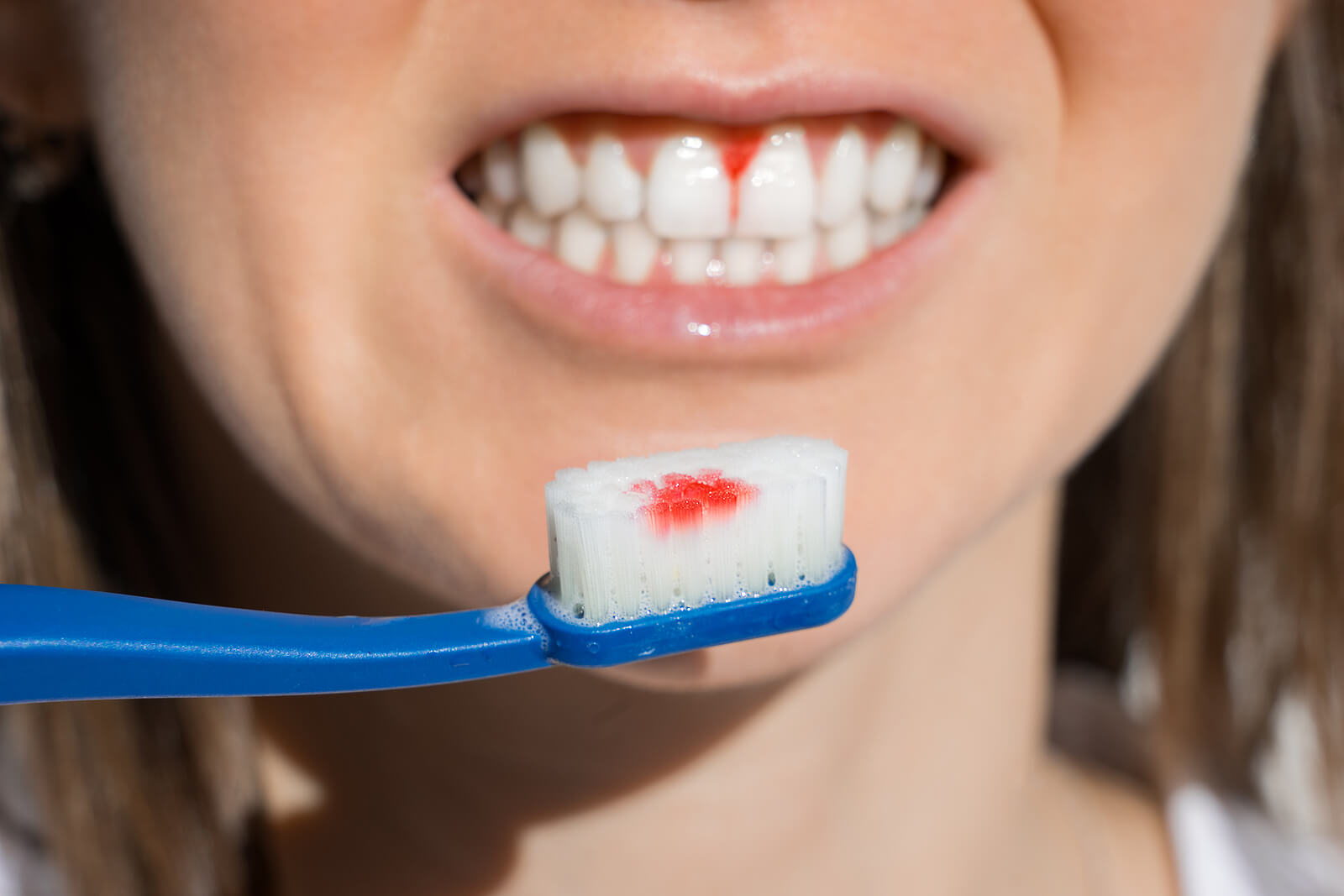
Desi sangerarea gingiilor poate avea drept cauza o afectiune grava a cavitatii orale, aceasta este deseori considerata o normalitate de catre pacienti. Aproximativ 90% din populatie se confrunta sau s-a confruntat la un moment dat cu problema sangerarilor gingivale. Gingiile sanatoase au o consistenta ferma, sunt bine atasate de dinte, au o culoare roz si nu sangereaza la periaj, la folosirea atei dentare sau la utilizarea dusului bucal.
Uneori, gingiile pot sangera in urma unei raniri cu un aliment mai dur, caz in care sangerarea o sa dureze doar cateva zile. Dar daca inca ai sangerari gingivale si gingiile devin dureroase, acesta poate fi un semnal care ne indica o afectiune mai grava.
Sangerari gingivale cauze
Sangerarea gingiilor poate fi cauzata de:
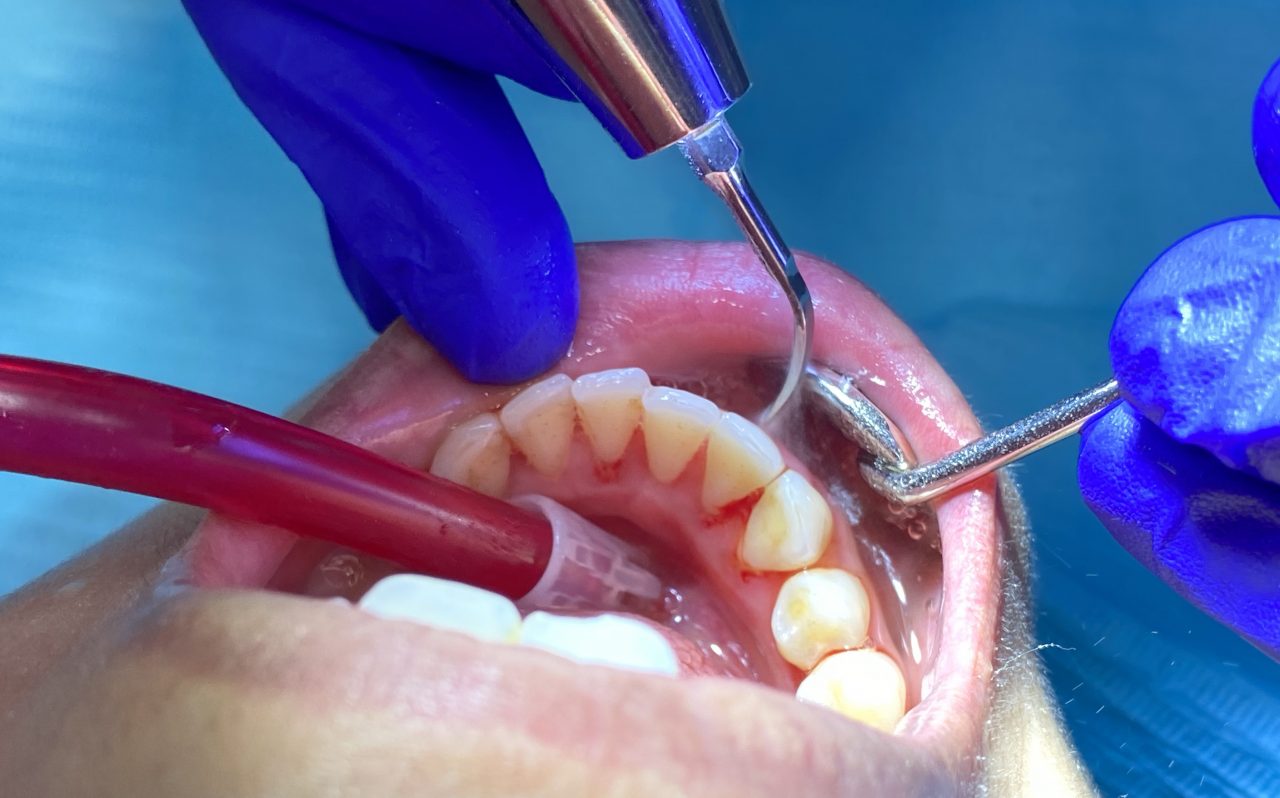
Afectiuni parodontale cum ar fi gingivita sau parodontita, cunoscuta sub termenul popular de “parodontoza”. Sangerarea gingiilor cauzata de acumularea de placa bacteriana mentine un proces inflamator continuu la nivelul cavitatii orale. Atunci cand placa bacteriana nu este indepartata, gingiile devin umflate, rosii si sangerande. Acestea pot sa sangereze la masticatie, la periaj sau spontan. Aceste simptome corespund stadiului initial al bolii parodontale: gingivita. Daca afectiunea nu este tratata la timp, va evolua spre parodontoza si spre pierderea dintilor. Cu cat tratamentul este efectuat mai curand, cu atat se poate pastra mai mult tesut gingival si osos si se pot evita complicatiile si efectele secundare. Ajutandu-ne de tehnologia de astazi, folosind lasere dentare speciale, boala parodontala poate fi tratata rapid si fara durere. Daca se intervine in stadiul de gingivita, adica primul stadiu al bolii parodontale, procesul este complet reversibil;
Deficitul de vitamine datorat unei diete dezechilibrate, diete de slabire cu numar foarte redus de calorii pe zi, dupa anumite tratamente medicamentoase sau in urma unei diete in care sunt consumate putine fructe/ legume in stare cruda, proaspete. Carenta de vitamina K si vitamina C duce la sangerarea gingiilor;
Periaj incorect, prea puternic sau utilizand o periuta de dinti cu peri duri;
Utilizarea incorecta a atei dentare sau aplicarea unei presiuni excesive. Ata dentara trebuie introdusa intre dinti, cu miscari atente inainte si inapoi;
Afectiuni ale ficatului si rinichilor, deficiente ale factorilor de coagulare, hemofilie;
Diabet: pacientii care au diabet prezinta o capacitate scazuta a organismului de a face fata la infectii, inclusiv infectiile de la nivelul gingiilor;
Leucemie: celulele leucemice sunt in numar crescut in maduva osoasa, scazand astfel numarul de trombocite. Trombocitele din sange ajuta organismul sa opreasca sangerarea, astfel incat leucemia determina manifestari ca echimoze sau sangerari gingivale;
Modificari hormonale datorate sarcinii. Daca este aplicat un tratament corect si pacienta respecta o rutina adecvata de ingrijire a cavitatii orale, gingivita de sarcina este reversibila;
O infectie a dintilor sau gingiilor;
Proteze dentare/lucrari protetice precum punti dentare, care sunt incorect adaptate si irita mucoasa cavitatii orale;
Traumatisme cauzate de alimente sau bauturi fierbinti sau substante chimice;
Medicamentele anticonvulsivante care sunt folosite in tratamentul epilepsiei;
Fumatul sau mestecatul tutunului.
Tratament pentru sangerarea gingiilor
Cel mai bine este ca atunci cand observi sangerarea gingiilor fara motiv, sa te programezi la medicul dentist. In urma unei examinari atente a dintilor si gingiilor si in urma analizarii radiografiei maxilarului, medicul va pune un diagnostic si va indica un tratament corespunzator. Daca o sa fie cazul, se pot recomanda si analize specifice de sange, cum ar fi timpul de coagulare, rata sedimentarii eritrocitelor, factori de coagulare, calciu, uree, creatinina, concentratia de hemoglobina. Totusi, pentru a evita un episod acut dureros, cel mai bine este ca pacientul sa se prezinte pentru un control de rutina si o igienizare profesionala la medicul stomatolog o data la 6 luni.