Ce inseamna sa ai gust metalic in gura?
Gust metalic in gura – se intalneste in special la pacientii care au multiple plombe de amalgam sau lucrari protetice metalice. In ziua de astazi se recomanda materialele biocompatibile, estetice care au mai putine efecte secundare.
Aceste lucrari vechi au fost foarte bune pentru vremurile din trecut cand nu existau optiuni. Astazi, piata materialelor stomatologice ofera o serie de alternative sanatoase pentru corp.
Recomandarea este ca lucrarile metalice sa fie inlocuite cu unele noi, corect adaptate.
Care este cauza pentru care avem gust metalic in gura?
Deseori sub plombele de amalgam gasesc carii secundare care necesita a fi tratate sau plombele nu mai sunt corect adaptate. Plomba de amalgam se inlatura cu ajutorul frezelor (energia laserului este reflectata de suprafetele metalice si deci nu este eficienta in a inlatura metalul) si pe dedesubtul ei, se trateaza cu ajutorul laserului. Cand cavitatea este curatata, se aplica materialul compozit care va reface functional si estetic dintele.
Lucrarile protetice cu substrat din metal sau integral metalice necesita a fi inlocuite cu lucrari din materiale biocompatibile si estetice. Deseori ele nu mai sunt corect adaptate in muscatura sau la gingie si necesita inlocuire. Noile lucrari vor prelungi viata dintilor de sub lucrare.
Din pacate, o lucrare cade impreuna cu dintele de sub lucrare, caz in care trebuie gandit alt plan de tratament. Pentru ca acest lucru sa nu se intample, lucrarile protetice trebuie inlocuite la cativa ani, atunci cand apar probleme fie clinic fie radiologic.
Care este cauza diferitelor gusturi neplacute pe care le avem in gura?
Pacientii experimenteaza de-a lungul vietii tot felul de gusturi in functie de o serie de factori:
- fie ce mananca
- fie alte boli care nu au legatura cu cavitatea bucala
- fie probleme parodontale
Aceste gusturi, daca apar din cand in cand si nu dureaza mult timp, sunt de cele mai multe ori nesesizate de pacienti, insa atunci cand ele revin zilnic sau pacientul are respectivul gust in gura orice ar manca sau ar bea, este necesar a se adresa medicului stomatolog.
Mirosul de boala parodontala este specific, deseori se mentine si dupa ce pacientul paraseste cabinetul. Gustul este de asemenea specific, fetid, nu dispare nici dupa periajul de acasa decat pentru maximum cateva minute.
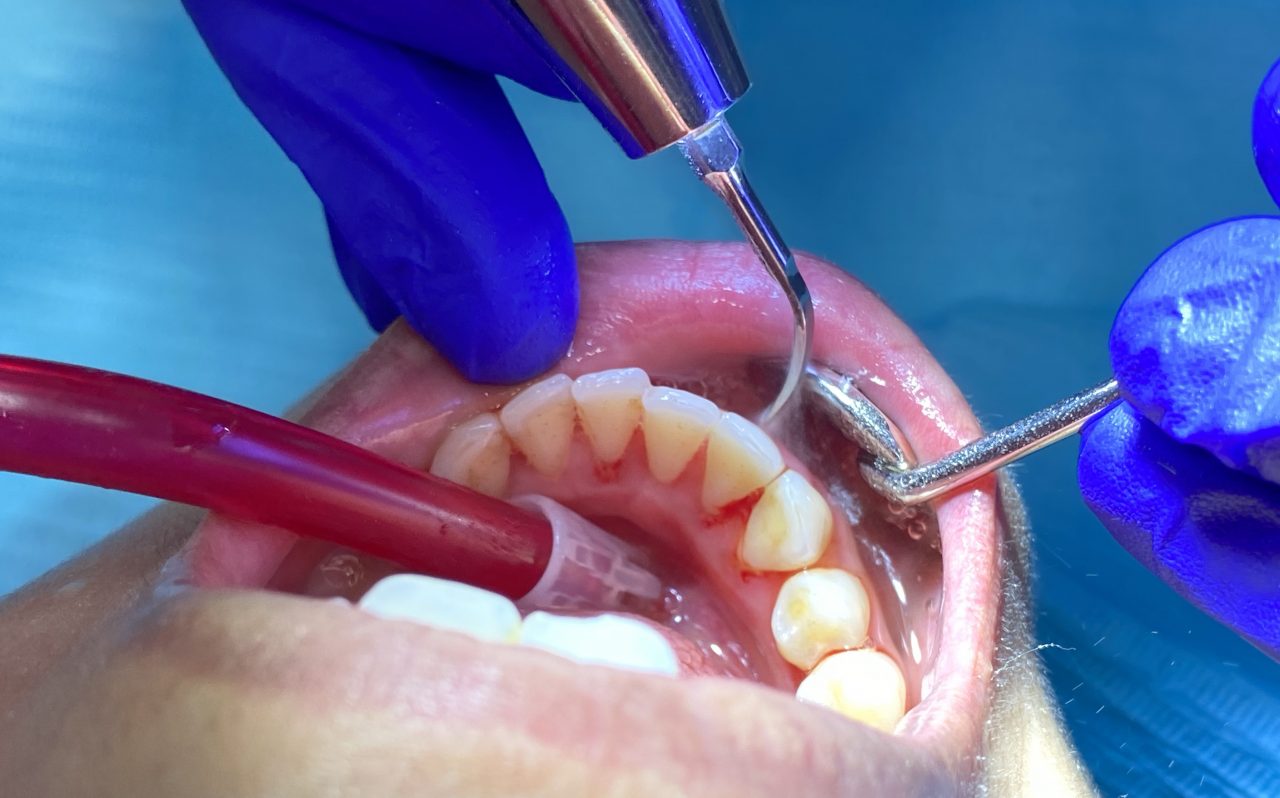
Deseori acesti pacienti au dificultati in a mentine o igiena dentara stricta si nu se prezinta constant la medicul stomatolog pentru consultatie si igienizare constanta. Adunandu-se cantitati mari de placa bacteriana si tartru, acestea fiind depozite de bacterii care degaja mirosuri neplacute, vor inflama gingia, vor avea un gust specific, pacientul incepe sa sesizeze sangerarea gingivala, care este cel mai frecvent simptom (exceptie fac pacientii fumatori sau care folosesc paste de dinti recomandate in reclame pentru tratarea parodontozei).
In lipsa masurilor specifice: detartraj, periaj si air-flow, aceste bacterii vor continua sa afecteze gingia si apoi vor ajunge la nivelul osului care sustine dintii. In acest stadiu, apar pungile parodontale si retractia osului care in timp duc la cresterea mobilitatii dentare cu pierderea dintilor.
Preventia consta in igienizari realizate la fiecare 6 luni sau mai frecvent daca medicul indica acest lucru. De obicei, recomand igienizarile la fiecare 3 luni in cazul pacientilor:
- fumatori
- cu probleme parodontale
- cu aparate ortodontice
- cu lucrari protetice multiple, eventual si implanturi
Daca insa boala parodontala s-a instalat, atunci este necesar a fi facut cat mai curand tratamentul parodontal cu laserul.
Inlocuind lucrarile metalice, va disparea acel gust metalic in gura si pacientul va simti o stare placuta, de confort si ii va creste increderea in sine. In plus si mirosul va fi imbunatatit daca lucrarile sunt corect adaptate si nu retin placa bacteriana.