
Cele mai intalnite intrebari pe care le primeste un medic stomatolog in clinica sunt:
Detartrajul afecteaza smaltul dintilor?
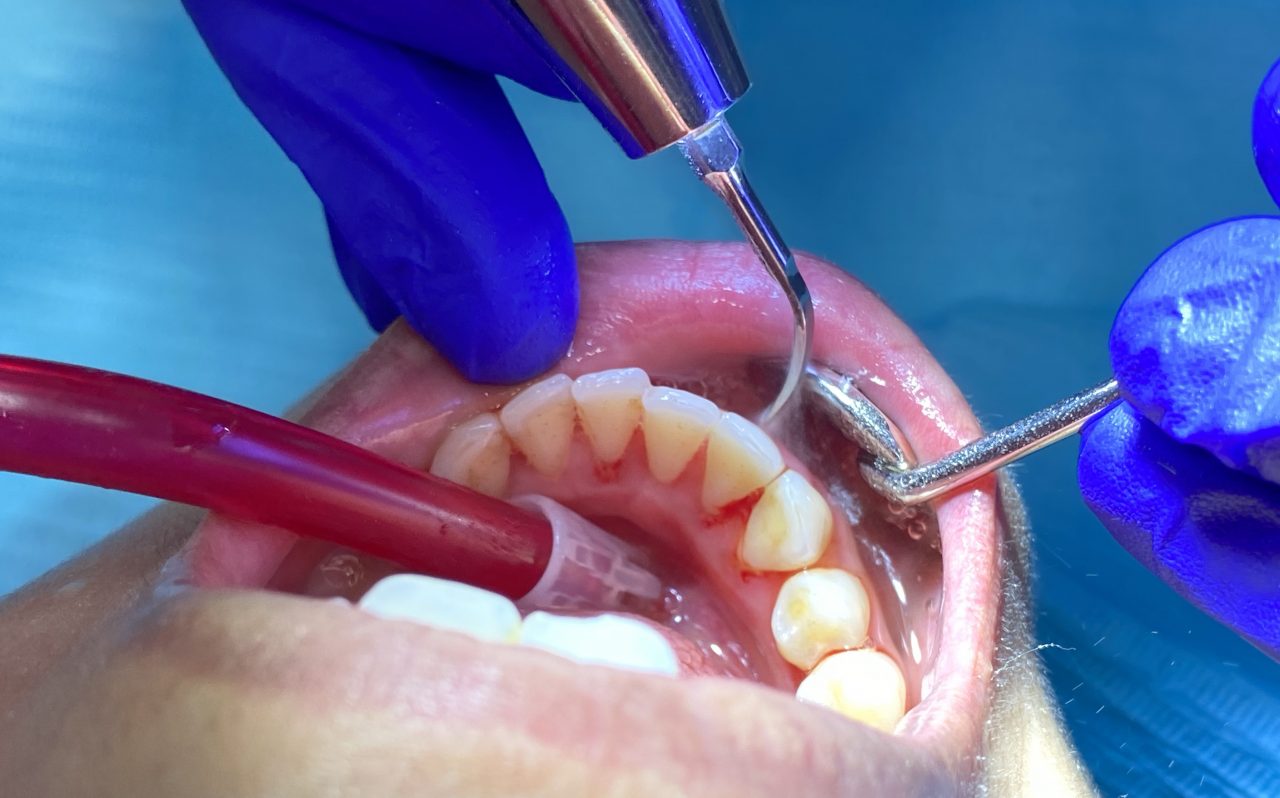
Atata timp cat detartrajul este corect realizat de catre un medic stomatolog, smaltul dentar nu este afectat. Detartrajul este manopera stomatologica care indeparteaza placa bacteriana de pe dinti si nimic altceva. Placa bacteriana daca stagneaza o perioada mai lunga de timp pe dinti ea se mineralizeaza, devine un depozit dur, numit tartru.
Acest tartru o data atasat de dinti el nu mai poate fi indepartat in timpul periajului normal de acasa, ci doar prin igienizarea profesionala din cabinetul stomatologic. Aceasta igienizare profesionala presupune detartrajul, periajul si airflow-ul.
Tartrul este principalul factor favorizant in aparitia bolii parodontale (parodontoza). Astfel indepartarea lui prin detartraj este absolut necesara a se face periodic (6 luni).
Este normal sa existe sensibilitate dentara dupa detartraj?
Tartrul care stagneaza o perioada indelungata de timp pe dinti demineralizeaza structura dentara. O data indepartat tartru este posibil sa apara o sensibilitate dentara care de obicei este tranzitorie. Cu cat depozitele de tartru sunt mai mari, cu atat sensibilitatea postoperatorie este mai mare. In medie timp de 2-3 zile, pacientii resimt o sensibilitate la rece.
De asemenea, aceasta sensibilitate variaza in functie de structura dentara a fiecarui pacient. Pacientii cu carii sau hiperestezie dentinara pot prezenta un disconfort mai accentuat.
Radiografia dentara afecteaza organismul?
Radiografia dentara este cea care are doza cea mai mica de iradiere dintre toate testarile radiologice. Patru radiografii uzuale dentare sunt echivalentul unei doze de 0.005 mSv, iradiere similara unui zbor cu avionul, care dureaza 1-2 ore.
Maselele de minte se extrag?
Extractia maselelor de minte se decide in functie de factori care tin de: pozitia dintilor pe arcade, spatiul existent eruptiei normale, complicatii produse de acestia, gradul de afectare carioasa, infectii limitrofe. De multe ori molarii de minte sunt afectati de carie din cauza imposibilitatii de realizare a unei igiene adecvate la acel nivel. Accesul limitat periajului in acea zona va determina ca un medic stomatolog sa recomanda extractia acestui molar. Un alt caz de extractie este acela in care molarii de minte produc modificari de pozitie ale celorlalti dinti din cavitatea orala.
Pe o radiografie panoramica, un medic stomatolog stabileste daca molarii de minte au posibilitatea de eruptie corecta sau nu si daca sunt utili masticatiei. Se vor trata doar dintii care au un rol in masticatie si care permit accesul tratamentului restaurator.
De ce sangereaza gingiile?
Sangerarile din cavitatea orala provin in cele mai multe cazuri de la nivelul gingiilor. Acestea apar in timpul periajului dentar sau spontan. Se intalnesc cel mai frecvent la pacienti cu gingivita sau boala parodontala (parodontoza). Gingiile inflamate sunt observate de medic stomatolog, ca fiind de culoare rosie cu depozite de tartru supra si subgingival si uneori pungi parodontale. Principalii factori in aparitia acestor afectiuni sunt: igiena defectuoasa, dispozitii genetice, fumat, imunitate scazuta, anumite afectiuni generale (ex.diabet).
Cand trebuie sa schimbam periuta dentara?
Un medic stomatolog iti va recomanda intotdeauna sa o schimbi la 3 luni, atat in cazul periutei manuale cat si in cazul celei electrice. Studiile au aratat ca aceste intervale de timp sunt cele propice in care se realizeaza un periaj eficient. Apoi varful periilor incep sa se toceasca, sa devina inactivi si ulterior sa lezeze gingiile.
De asemenea este important de retinut ca perii periutelor, o data cu trecerea timpului, incep sa retina din ce in ce mai mult depozite de bacterii.
Este obligatorie folosirea atei interdentare sau a irigatorului bucal?
Periuta dentara nu curata bine intre dinti. Pornind de la aceasta idee este usor de intuit ca avem nevoie de un alt mijloc de igienizare pentru zonele interdentare. Echipa Life Dental Spa recomanda folosirea irigatorului bucal datorita usurinta folosirii lui in comparatie cu ata interdentara. Nu sunt putine cazurile in care pacientii care nu folosesc niciunul dintre aceste doua mijloace de igienizare, prezinta multe carii interdentare.
Cand ar trebui sa merg cu copilul sa vada medic stomatolog?
Luand in considerare faptul ca la aproximativ 6 luni copilului ii apar primii doi dinti temporari este de preferat la varsta de 1 an sa aiba primul contact cu un medic stomatolog. Aceea va fi mai mult o vizita de familiarizare a copilului cu ambientul stomatologic.
De asemenea, parintii vor fi informati despre secventialitatea aparitiei dintilor temporari, a celor permanenti si despre importanta periajului dintilor temporari.
Cum prevenim aparitia cariilor?
Cariile sunt produse de niste bacterii specifice prezente in cavitatea orala. Indepartarea mecanica a acestor bacterii se realizeaza prin periajul consecvent si folosirea zilnica a irigatorului bucal. De asemenea, vizita la medic stomatolog pentru o igienizare dentara trebuie efectuata o data la 6 luni, pentru a elimina tartrul si placa bacteriana.
Aceste bacterii se dezvolta proportional cu cantitatea consumata de produse zaharoase si bauturi carbogazoase. Alimentele lipidice precum branza si ciocolata neagra alaturi de fructe si legume sunt cele care diminueaza dezvoltarea bacteriilor la nivel dentar.
De asemenea consumul apei stimuleaza secretia salivara, care ajuta la curatarea suprafetelor dentare.
La ce interval de timp este indicat consultul stomatologic?
Un medic stomatolog trebuie sa realizeze igienizarea profesionala la 6-12 luni, in functie de gradul de igienizare al pacientului, problemele dentare si lucrarile protetice existente, acesta va recomanda data urmatoarei consultatii stomatologice.
Mai Multe
articole
Ne poți suna in timpul programului (Luni-Vineri: 8:00-21:00 | Sâmbătă: 8:00-16:00) sau poți face o programare online.
2026 Toate drepturile rezervate - Life Dental Spa


Nu lăsa o durere de dinți neașteptată să îți strice concediul! Pune pe lista de bagaje și o vizită rapidă la Life Dental Spa.
Echipa noastră de medici folosește tehnologia laser pentru a rezolva orice problemă rapid, confortabil și fără stres.